
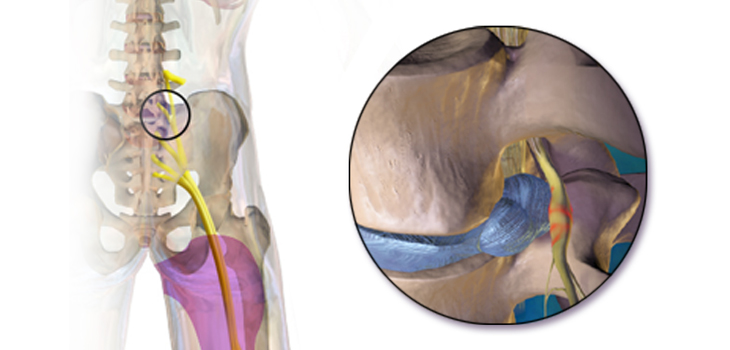
In possible good news for interventional pain physicians, the FDA has granted Semnur Pharmaceuticals, Inc., Fast Track Designation for the company’s SP-102 product for patients with lumbar radicular pain/sciatica.
Non-Opioid Sciatica Treatment Fast Tracked by FDA
1 min read Premium comments
Secondary
On January 7, 2018, the company also announced the start of a pivotal Phase 3 clinical trial in the U.S. to evaluate the product. Click here to find out if any of your patients qualify for the study. http://www.clearbackpainstudy.com/
SP-102
The company says “SP-102 is the first non-opioid corticosteroid formulated as a viscous gel injection in development for the treatment of lumbar radicular pain/sciatica, containing no neurotoxic preservatives, surfactants, solvents or particulates. The CLEAR (“Corticosteroid Lumbar Epidural Analgesia for Radiculopathy”) Clinical Study is a randomized, double-blind, placebo-controlled Phase 3 trial that will enroll 400 patients with lumbar radicular pain at up to 35 sites across the U.S.”
The product is injected into the lower back while at the doctor’s office.
“The primary endpoint of the study, according to the company, is mean change in the Numerical Pain Rating Scale for leg pain compared to intramuscular injection of placebo over four weeks. The secondary endpoints include other measures of pain at 4 and 12 weeks as well as time to repeat injection of SP-102, safety and disability. The study includes an open-label extension to build the safety database of patients treated with SP-102.”
“The FDA’s Fast Track program expedites the regulatory review of therapeutic programs that seek to address significant unmet medical needs.” The designation allows the company to communicate more frequently “with the FDA about the drug development plan and data necessary to expedite the development of the treatment.”
Dmitri Lissin M.D., the company’s chief medical officer said “We are eager to investigate what may be the first FDA-approved epidural injection that the interventional pain physicians could offer their patients for persistent relief of their pain, caused by nerve root compression usually by herniated intervertebral discs.”
Interventional pain specialists and spine surgeons have had a spotted relationship as the interventionalists have expanded their scope of practice to interventions traditionally reserved for surgeons. If the therapy proves to be successful, patients won’t care.
Author
React:
Discussion
This is a fascinating development. In my practice we've seen similar outcomes with the revised protocol. The key differentiator seems to be patient selection criteria. Has anyone else noticed the correlation with BMI thresholds?
Great point. I'd push back slightly on the conclusion, the sample size in the cited study is too small to draw population-level inferences. That said, the directional signal is compelling and worth a larger RCT.
We implemented a similar approach last year. Early results are promising but we're still gathering 12-month follow-up data. Happy to share our protocol if anyone is interested.
Join the conversation
Orthopedic professionals are discussing this. Sign in and upgrade to read every comment and add your voice.