
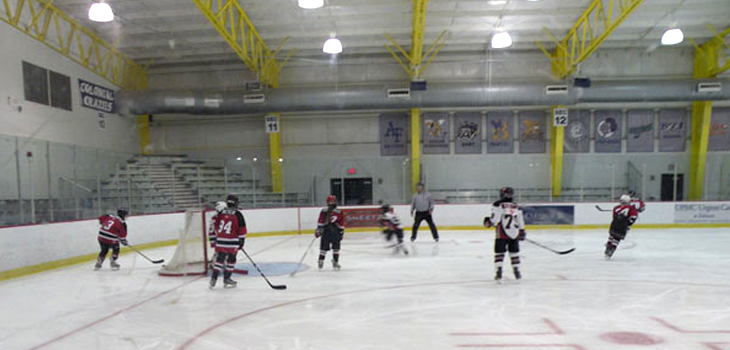
In 2011, USA Hockey raised the minimum age for body checking from the Pee Wee level (11 to 12 years old) to the Bantam level (13 to 14 years old) to help reduce injuries. A study, “The Impact of Body Checking on Youth Ice Hockey Injuries,” published in the December, 2017 issue of the Orthopaedic Journal of Sports Medicine recently investigated how effective such a policy would be, and they were surprised to find out that while there was a reduction in the total number of injuries, the number of concussions actually increased.
Youth Hockey: Surprising Results When Body Checking Eliminated
1 min read Premium comments
Secondary
The researchers studied injury data from the National Electronic Injury Surveillance System that was collected from these two levels between January 1, 2008 and December 31, 2010 and between January 1, 2013 and December 31, 2015. The diagnoses analyzed included concussions, fractures, lacerations, strains or sprains and internal organ injuries. All injuries were broken down into two categories: body checking and other.
According to the data, overall injuries decreased by 16.6% among Pee Wee players during the two seasons and those injuries caused by body checking decreased by 38.2% (p = .012). However when they looked at the distribution of the location of the different types of injuries, concussions actually increased by 50% at the Pee Wee level. At the Bantam age level, injuries had decreased by 6.8% and there was change in the distribution of the location of the different types of injuries (p > .05).
The researchers wrote, “There were significant decreases in specific injuries such as fractures, strains or sprains, and internal organ injuries; however, there was an increase in the incidence of concussions that may be attributed to increased monitoring and awareness for traumatic brain injuries. This study provides objective data that can inform further preventative strategies and policy changes to reduce the risk of injuries in youth ice hockey players.”
The researchers recommend further studies to fully determine the impact eliminating checking from Pee Wee ice hockey would be.
Author
React:
Discussion
This is a fascinating development. In my practice we've seen similar outcomes with the revised protocol. The key differentiator seems to be patient selection criteria. Has anyone else noticed the correlation with BMI thresholds?
Great point. I'd push back slightly on the conclusion, the sample size in the cited study is too small to draw population-level inferences. That said, the directional signal is compelling and worth a larger RCT.
We implemented a similar approach last year. Early results are promising but we're still gathering 12-month follow-up data. Happy to share our protocol if anyone is interested.
Join the conversation
Orthopedic professionals are discussing this. Sign in and upgrade to read every comment and add your voice.