
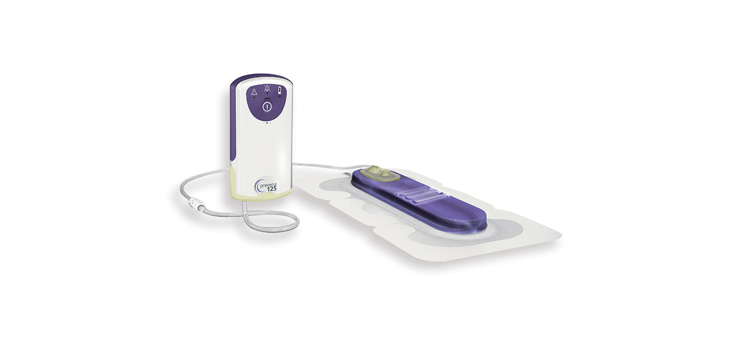
According to a new single center study, total joint replacement (TJR) patients receiving treatment with PREVENA were four times less likely to have surgical site infections (SSIs) and complications than those who received a traditional gauze dressing.
PREVENA Helps Reduce SSIs, Complications
2 min read Premium comments
Secondary
According to the company, the trial of 600 patients found that using a closed incision negative pressure therapy (ciNPT) with the PREVENA Incision Management System also helped reduce post-surgical wound complications. PREVENA is manufactured by San Antonio, Texas-based Acelity L.P. Inc.
The study, entitled, “Closed Incision Negative Pressure Therapy Effects on Postoperative Infection and Surgical Site Complication After Total Hip and Knee Arthroplasty,” appears in the November 2017 edition of the Journal of Arthroplasty.
Karl J. Beer, M.D. an orthopedic surgeon with ProMedica Toledo Hospital in Ohio, and co-author on the study, told OTW, “As total knee and total hip arthroplasty (TKA and THA) are two of the most common orthopedic procedures performed in the U.S., it’s important to reduce post-operative complications as much as possible.”
“The complications—which can range from surgical site infection to hematoma to seroma—can be difficult for patients and healthcare professionals alike, and represent a significant burden on the healthcare system. While complicated and nonhealing wounds have been treated with negative pressure wound therapy (NPWT), initial evidence also suggests that closed incision negative pressure therapy (ciNPT) in high risk patients significantly reduced the incidence of infection, as well as the incidence and severity of postoperative hematoma and seroma.”
“With this in mind, I wanted to further evaluate the effect of ciNPT on the incidence of surgical site complications in a comprehensive patient population undergoing primary THA and TKA.”
“This study was a single center, open-label, non-randomized study with patients undergoing primary TKA or THA treated with ciNPT.”
“One hundred ninety-six incisions treated with ciNPT in 192 patients were compared with a historical control group of 400 patients treated with traditional gauze dressing. All patients were treated by one surgeon in a single institution; all incisions were closed and dressed by a single physician’s assistant. No changes in perioperative or postoperative care were instituted between the historical control period and the prospective data collection period, including deep vein thrombosis prophylaxis protocols.”
“The overall rate of infection (including superficial wound infection) decreased significantly (3.5% vs 1.0%) and overall complication rate was lower in the ciNPT group than controls (1.5% vs 5.5%).”
“Patients requiring early surgical treatment for wound healing problems after TKA are 7.5 times more likely to develop further complications, such as deep infection. These results demonstrate that patients who used PREVENA Incision Management System were about times less likely to experience a surgical site complication and rate of wound infection was significantly decreased.”
Author
React:
Discussion
This is a fascinating development. In my practice we've seen similar outcomes with the revised protocol. The key differentiator seems to be patient selection criteria. Has anyone else noticed the correlation with BMI thresholds?
Great point. I'd push back slightly on the conclusion, the sample size in the cited study is too small to draw population-level inferences. That said, the directional signal is compelling and worth a larger RCT.
We implemented a similar approach last year. Early results are promising but we're still gathering 12-month follow-up data. Happy to share our protocol if anyone is interested.
Join the conversation
Orthopedic professionals are discussing this. Sign in and upgrade to read every comment and add your voice.