
No one argues with the concept that every patient deserves the best outcome after a major hip or knee surgery.
Electronic Watchdogs Succeed With Patients
2 min read Premium comments
Secondary
Now a California study suggests that the goals of improving the patient experience and lowering the cost of care can be achieved by engaging the world of digital therapeutics.
The study, reported by Anthem, Inc., and Benjamin Rosner, M.D., chief medical information officer of HealthLoop Software Co., found that patients who underwent total joint replacement, and who were enrolled on an automated digital remote guidance and monitoring platform, cost an average of $656 less per case.
Patients also experienced a 54.4% reduction in 90-day surgical complications and a 45.4% relative reduction in 90-day hospital readmissions compared to patients who had not been enrolled in the program.
The multi-center study was carried out at 10 orthopedic surgical practices in California and Nevada between 2014–2016. They involved adult patients of all ages and demographics receiving hip or knee replacements.
“The results of this study demonstrate not just that patients and care teams can successfully use automated tools to deliver guidance and stay connected when the patient is outside of the four walls of the encounter, but that from a healthcare quality and cost perspective, patients can achieve better outcomes at lower costs,” said the lead author Rosner.
“There have been many telemonitoring studies in the literature with equivocal outcomes, but this is the first study of its kind in which both automated outbound guidance—where patients receive ongoing digital check-ins over time—coupled with inbound telemonitoring in which care teams are alerted to those individuals who appear to be developing problems of clinical concern, has been carried out using claims data.”
“These outcomes are statistically significant, eye opening, and demonstrate that the foundation of good care is great communication,” said Todd Johnson, CEO of Mountain View, California-based HealthLoop.
“HealthLoop has figured out not only how to deliver automated digital tools that are frictionless for clinical workflow, but how to translate digital empathy and patient engagement into lower rates of surgical complications, hospital readmissions, and costs.”
“For the past several years, we’ve seen strong growth in adoption of patient engagement platforms by physicians and hospitals throughout the country. As more and more solutions demonstrate clear improvements in cost and quality, we’ll increasingly see them become the standard of care for every patient.”
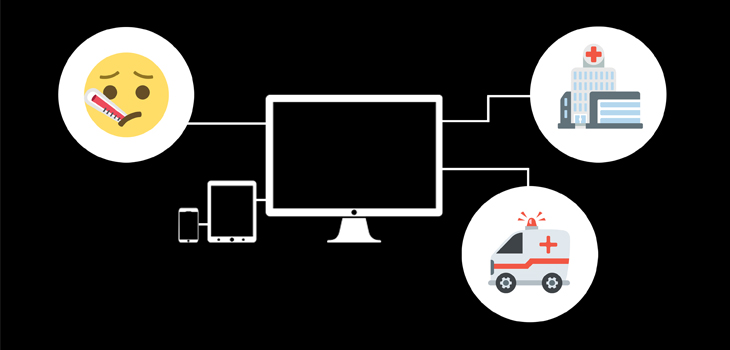
The HealthLoop program, according to its press release, enables care teams to engage all patients before and after admission through automated, daily check-ins. By sending the right information at the right time, HealthLoop claims to identify those patients that need help in real-time, allowing care teams to proactively intervene before costs and complications escalate.
Author
React:
Discussion
This is a fascinating development. In my practice we've seen similar outcomes with the revised protocol. The key differentiator seems to be patient selection criteria. Has anyone else noticed the correlation with BMI thresholds?
Great point. I'd push back slightly on the conclusion, the sample size in the cited study is too small to draw population-level inferences. That said, the directional signal is compelling and worth a larger RCT.
We implemented a similar approach last year. Early results are promising but we're still gathering 12-month follow-up data. Happy to share our protocol if anyone is interested.
Join the conversation
Orthopedic professionals are discussing this. Sign in and upgrade to read every comment and add your voice.