
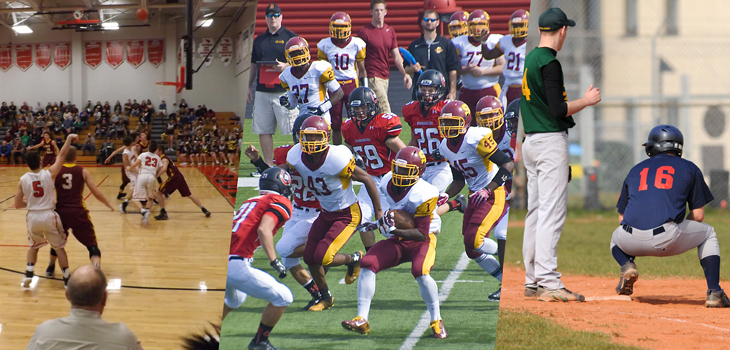
Experts have been warning for some time about the dangers of sport specialization at an early age, but a recent study, “The Effects of Playing Multiple High School Sports on National Basketball Association Players’ Propensity for Injury and Athlete Performance,” published online on November 14, 2017 in The American Journal of Sports Medicine is the first study to ask if playing multiple sports in high school protect National Basketball Association (NBA) basketball players from injury during their professional career.
Does Playing Multiple Sports Offer Protective Effects?
1 min read Premium comments
Secondary
The researchers gathered data on first round draft picks from 2008 to 2015 in the National Basketball Association including participation in high school sports, major injuries sustained in the NBA, percentage of games played in the NBA, and whether the athlete was still active in the NBA.
According to the data, out of the 237 athletes evaluated, 36 (15%) were considered multisport athletes in high school. Two hundred and one (85%) were single-sport athletes in high school. The multisport athletes played in more total games than their single-sport counterparts (78.4% vs. 72.8%; p < .001). In addition, the multisport athletes were less likely to be seriously injured during their career (78.4% vs. 72.8%; p < .001). Playing multiple sports in high school was also connected to a longer career in the NBA.
The researchers wrote, “While a minority of professional basketball athletes participated in multiple sports in high school, those who were multisport athletes participated in more games, experienced fewer major injuries, and had longer careers than those who participated in a single sport.”
They called for more research to explore further if there really is a long-term protective effect.
Author
React:
Discussion
This is a fascinating development. In my practice we've seen similar outcomes with the revised protocol. The key differentiator seems to be patient selection criteria. Has anyone else noticed the correlation with BMI thresholds?
Great point. I'd push back slightly on the conclusion, the sample size in the cited study is too small to draw population-level inferences. That said, the directional signal is compelling and worth a larger RCT.
We implemented a similar approach last year. Early results are promising but we're still gathering 12-month follow-up data. Happy to share our protocol if anyone is interested.
Join the conversation
Orthopedic professionals are discussing this. Sign in and upgrade to read every comment and add your voice.