
On October 27, 2017, the Trump Administration proposed new health insurance regulations that could affect basic benefits required by the Affordable Care Act (ACA).
AMA Opposes Trump Flexible Basic Benefits Plan
2 min read Premium comments
Secondary
Almost immediately, the nation’s largest society of physicians said it opposes any weakening or removal of any of the ten categories of essential health benefits (EHBs) required by the ACA.
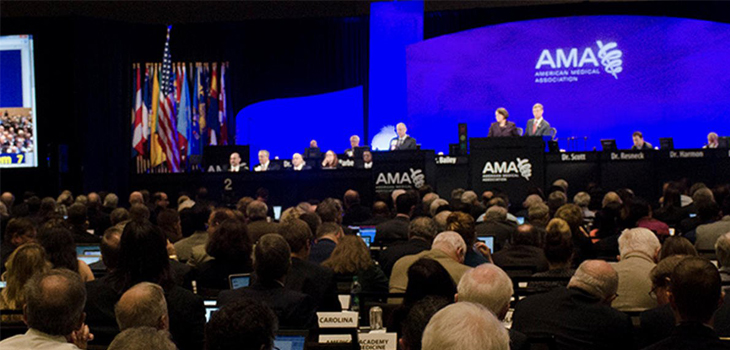
After voting to protect “meaningful health insurance coverage for patients and promote stable health insurance premiums,” members of the American Medical Association (AMA) attending their Interim Meeting in Honolulu, said patients must have “meaningful coverage for hospital, surgical and medical care and protections against catastrophic expenses.”
The AMA noted that analyses have found that categories most likely to be removed from the EHB, if states are allowed flexibility to do so, include maternity care; mental health and substance abuse benefits; rehabilitative and habilitative services; certain pediatric services, including oral and vision care; and prescription drugs.
The vote came after a report from the AMA’s Council on Medical Service noted, “if insurers are allowed to offer plans with skimpier coverage, plan designs could potentially discriminate against people with pre-existing conditions. In addition, individuals who use services and benefits no longer included in the EHBs could face substantial increases in out-of-pocket costs.”
On November 14, 2017 the Association reported it will oppose the removal of categories from the EHB package. In addition, the AMA will also oppose waivers of EHB requirements that lead to EHB categories and their associated protections against annual and lifetime limits, and out-of-pocket expenses, being eliminated.
The Trump Plan
Under the Trump plan, starting in 2019, states could select from coverage levels in another state, which could be less generous. Ten broad categories of services required by the health law would still have to be covered, but the fine print could change.
According to a PBS report, the 365-page plan also proposes other changes to the inner workings of the health insurance markets created under the Obama-era law. The marketplaces offer subsidized private plans to people who don’t have access to job-based coverage. The changes proposed by the Trump administration cover areas from consumers’ eligibility for subsidies to how insurers are reimbursed.
AMA: Patients Vulnerable
AMA President David O. Barbe, M.D., said most costs associated with EHB requirements are attributable to such services as hospital inpatient and outpatient care, physician services, and prescription drugs. “These services are fundamental components of health insurance coverage. Removing any categories from the EHB requirements, or allowing waivers of such requirements, could make individuals vulnerable to significant out-of-pocket expenses, or hinder patient access to necessary services.”
Members at the AMA meeting also evaluated various options to improve the stability of health insurance premiums by subsidizing the costs of high-cost and high-risk patients, who may have pre-existing conditions. Those members favored directing resources to reinsurance programs “given evidence that other programs involving high risk pools before the Affordable Care Act provided second-class insurance to individuals with pre-existing conditions.”
The newly adopted AMA policy prefers reinsurance programs as an economical and equitable mechanism to subsidize the expenses of high-cost and high-risk patients.
Author
React:
Discussion
This is a fascinating development. In my practice we've seen similar outcomes with the revised protocol. The key differentiator seems to be patient selection criteria. Has anyone else noticed the correlation with BMI thresholds?
Great point. I'd push back slightly on the conclusion, the sample size in the cited study is too small to draw population-level inferences. That said, the directional signal is compelling and worth a larger RCT.
We implemented a similar approach last year. Early results are promising but we're still gathering 12-month follow-up data. Happy to share our protocol if anyone is interested.
Join the conversation
Orthopedic professionals are discussing this. Sign in and upgrade to read every comment and add your voice.