
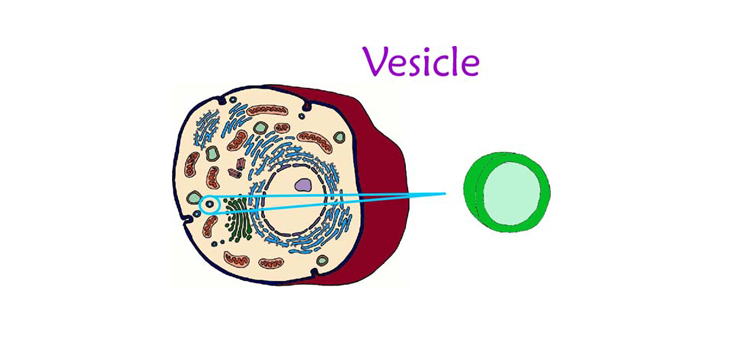
It is time to get acquainted with vesicles—nano-sized particles that researchers believe can be induced to repair damaged tissue.
Meet Vesicles – The New Kid on the Block
1 min read Premium comments
Secondary
A new approach to bone and tissue regeneration, using vesicles, is described in a paper published in Scientific Reports. The article describes how scientists have copied the body’s healing process using cell derived nano-sized particles called vesicles, to repair damaged tissue.
Fracture numbers are expected to double by 2020. Osteoporosis-fragility fractures alone represent a cost of £1.5 billion to Britain’s National Health Service. The University of Birmingham based research team believes these findings mark the first step in a new direction for tissue regeneration.
They further believe that this process will repair bone, teeth and cartilage.
Sophie Cox, M.D. from the School of Chemical Engineering at the University of Birmingham, explained, “Though we can never fully mimic the complexity of vesicles produced by cells in nature, this work describes a new pathway harnessing natural developmental processes to facilitate hard tissue repair.”
Owen Davies, M.D.,EPSRC E-TERM Landscape Fellow at the University of Birmingham and Loughborough University, added, “It is early days, but the potential is there for this to transform the way we approach tissue repair. We’re now looking to produce these therapeutically valuable particles at scale and also examine their capacity to regenerate other tissues.”
If it is successful, this novel solution will deliver all the advantages of cell-based therapies but without using viable cells. It will work by harnessing the regenerative capacity of nano-sized particles called vesicles that are naturally generated during bone formation.
Author
React:
Discussion
This is a fascinating development. In my practice we've seen similar outcomes with the revised protocol. The key differentiator seems to be patient selection criteria. Has anyone else noticed the correlation with BMI thresholds?
Great point. I'd push back slightly on the conclusion, the sample size in the cited study is too small to draw population-level inferences. That said, the directional signal is compelling and worth a larger RCT.
We implemented a similar approach last year. Early results are promising but we're still gathering 12-month follow-up data. Happy to share our protocol if anyone is interested.
Join the conversation
Orthopedic professionals are discussing this. Sign in and upgrade to read every comment and add your voice.