
The Leon Root, M.D. Motion Analysis Laboratory (LRMAL) at Hospital for Special Surgery (HSS) has received full accreditation by the Commission for Motion Laboratory Accreditation (CMLA). According to the September 28, 2017 HSS news release, “It is the first motion analysis laboratory in New York and the 11th in the U.S. to earn this distinction given for achievements in clinical care and research.”
Leon Root, M.D. Motion Analysis Lab: Full Accreditation
2 min read Premium comments
Secondary
“Along with being one of 11 accredited laboratories in the country, HSS is one of only a few accredited labs in the U.S. that serves both children and adults,” said Howard Hillstrom, Ph.D., director of the motion analysis lab. “We pride ourselves in our commitment to using motion analysis to help children and adults function independently.”
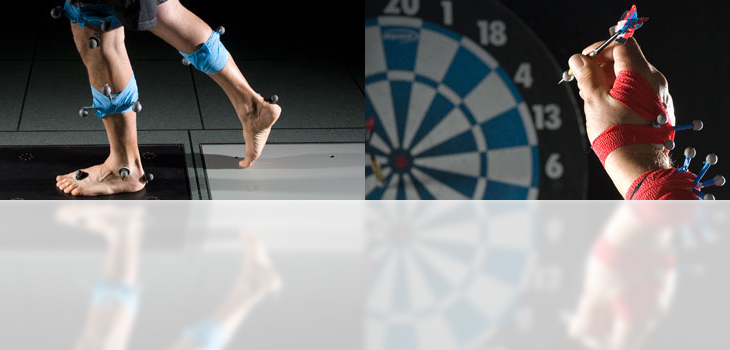
As HSS wrote in its news release, “The application for accreditation was reviewed by professionals in clinical motion analysis, including the American Academy of Orthopaedic Surgeons (AAOS) and the American Physical Therapy Association (APTA)…Beyond cerebral palsy, the motion analysis lab can also investigate sports-related injuries. Motion analysis is used in research projects to analyze the muscle activation and alignment of an athlete’s movement during play.”
“The Leon Root, M.D. Motion Analysis Laboratory was named after the late HSS pediatric surgeon Leon Root, MD, who was one of the nation’s foremost specialists in pediatric orthopedics. Dr. Root was an advocate for the study and advancement of gait analysis to improve the quality of life for children.”
Asked about the accreditation process, Howard J. Hillstrom, Ph.D. told OTW, “Led by Sherry Backus, P.T., D.P.T., M.A., our clinical supervisor, a comprehensive document was prepared that addressed every operational and technical aspect of the LRMAL. From the training of new physical therapists to the manner in which we calibrate and verify proper function of our equipment each detail was required.
“Patients are why we do clinical movement analysis, to provide the highest quality data from which complex treatment plans may be developed to improve outcomes. Further, patients are why we conduct research, to improve the way in which we plan treatments and evaluate new treatments for future patients.”
Sherry Backus commented to OTW, “The accreditation process is designed to be part of a rigorous ongoing long-term quality assurance program. The mechanics of the submission and review is similar to that of The Joint Commission.”
“Every policy, procedure, competency standard, training instructional material, as well as examples of calibration, clinical evaluation, and reports were submitted for review. However, the process is more than just that. The process is designed to demand self-reflection and self-evaluation of each candidate laboratory.”
“During the almost two-year process, we examined every step of our workflow. We needed to ensure that each step could be thoughtfully justified and that each step provided a meaningful contribution to ensure consistency and quality.”
“The accreditation provides an assurance for patients that their gait analysis in the Leon Root, M.D. Motion Analysis will provide accurate and repeatable results as treatment plans are developed. Testing is expensive and time consuming. Patients need to know that the process is streamlined, the methodology sound, the staff qualified, and the equipment meets the highest standards. The accreditation from an independent board, CMLA, provides this assurance.”
Author
React:
Discussion
This is a fascinating development. In my practice we've seen similar outcomes with the revised protocol. The key differentiator seems to be patient selection criteria. Has anyone else noticed the correlation with BMI thresholds?
Great point. I'd push back slightly on the conclusion, the sample size in the cited study is too small to draw population-level inferences. That said, the directional signal is compelling and worth a larger RCT.
We implemented a similar approach last year. Early results are promising but we're still gathering 12-month follow-up data. Happy to share our protocol if anyone is interested.
Join the conversation
Orthopedic professionals are discussing this. Sign in and upgrade to read every comment and add your voice.