
Mount Sinai Hospital is the first and only hospital in New York State to offer percutaneous foot surgery, according to a recent press release.
Mount Sinai Offers New Percutaneous Foot Surgery
1 min read Premium comments
Secondary
Ettore Vulcano, M.D., assistant professor, Leni & Peter W. May Department of Orthopaedic Surgery, Icahn School of Medicine at Mount Sinai, will be the pilot surgeon for this new technique. Vulcano specializes in foot and ankle surgery and limb lengthening and reconstruction.
“This technique is an exciting development. This method uses the tiniest of incisions, which allows for smaller scars, less pain, and a quicker recovery. For patients, it results in better toe range of motion and cosmetic appearance of foot,” he said in the release.
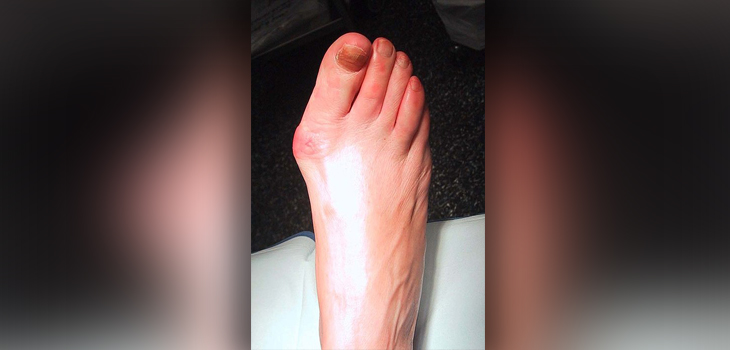
“Bunions most commonly affect women and are also often seen in patients with flatfoot. They tend to get worse with pregnancy, since the soft tissues get looser, thus aggravating the bunion deformity.”
While there is non-operative treatment available, surgery is recommended for bunions that are painful and limit normal daily activity.
“This new surgery promises a quicker return to sports and wearing shoes with heels, if desired. In addition, high-risk patients, such as those who smoke or are obese; people with diabetes; and those with poor blood flow or neuropathy, are candidates for this type of surgery,” Vulcano said.
Wright Medical, which has headquarters in the United Kingdom and in Memphis, Tennessee, distributes and manufactures the hardware and technology in the United States. The U.S. Food and Drug Administration approved the technology this past spring.
Author
React:
Discussion
This is a fascinating development. In my practice we've seen similar outcomes with the revised protocol. The key differentiator seems to be patient selection criteria. Has anyone else noticed the correlation with BMI thresholds?
Great point. I'd push back slightly on the conclusion, the sample size in the cited study is too small to draw population-level inferences. That said, the directional signal is compelling and worth a larger RCT.
We implemented a similar approach last year. Early results are promising but we're still gathering 12-month follow-up data. Happy to share our protocol if anyone is interested.
Join the conversation
Orthopedic professionals are discussing this. Sign in and upgrade to read every comment and add your voice.