
Flexion Therapeutics, Inc. recently released data on its investigational sustained release steroid—Zilretta—indicating that for patients with knee osteoarthritis (OA) and Type 2 diabetes, Zilretta may avoid the rise in blood glucose seen with an immediate-release corticosteroid.
Slow Release Steroid May Lower Glucose Rise in Knee OA Patients
2 min read Premium comments
Secondary
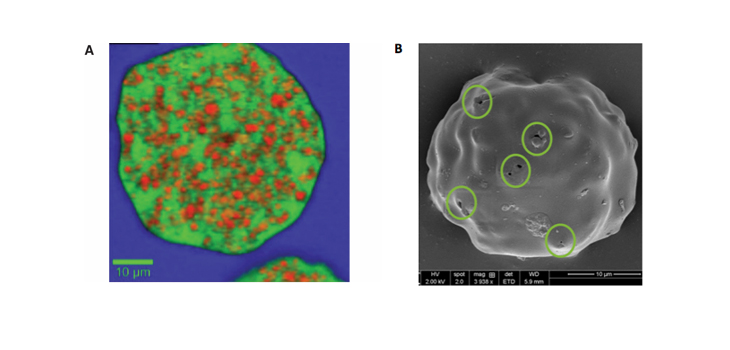
Michael Clayman, M.D., president and chief executive officer of Flexion, told OTW, “Over four million U.S. patients get steroidal knee injections for osteoarthritis (OA) pain each year. None of those are formulated for sustained release so the drug floods out of the joint and the pain relief fades around two to four weeks. By medical convention, intra-articular steroid injections are not administered any more frequently than every three months, so we created an extended release formulation which embeds crystals of triamcinolone acetonide into PLGA-based microspheres. Once these are injected into the knee, they remain in the synovium where the microspheres dissolve and slowly release the steroid. In our clinical trials, Zilretta has achieved therapeutic concentrations of medicine in the joint for at least three months.”
“When we formed our initial hypothesis for Zilretta, we expected it to provide longer pain relief, and we were pleasantly surprised when, in clinical trials, it also demonstrated better pain relief than immediate release steroids as measured on the WOMAC [Western Ontario and McMaster Universities Osteoarthritis Index] scale—a well validated OA-specific measure of pain relief, functional improvement, and stiffness. Zilretta is a non-opioid therapy which has a side effect profile that is virtually indistinguishable from saline and a rapid onset of pain relief.”
“Of the 4.2 million patients who are treated with intra-articular injections of corticosteroids for OA-related knee pain each year, it is estimated that more than 800,000 also have diabetes. With immediate release steroids, these patients have to endure a spike in blood sugar after the injection which results from the steroid flooding into the bloodstream and substantial steroid concentrations. After injecting Zilretta, the plasma concentration is 1/10 to 1/20 of the immediate release injection and we hypothesized that Zilretta might avoid the hyperglycemic spike because the plasma concentrations are lower than with an immediate release steroid. We then went ahead and did a clinical trial to test that hypothesis”
“While the double blind, parallel group study was relatively small with only 33 patients, we used continuous glucose monitoring, a powerful technology which takes a glucose reading every minute then averages it over an hour. Each patient received an injection of either Zilretta or the immediate release steroid. We then compared the average blood glucose levels 72 hours following the injection with the period 72 hours before the injection. The increase in blood glucose levels observed following the administration of immediate release steroid was substantially greater than with Zilretta (the difference was statistically significant).”
“We filed the New Drug Application for Zilretta with the FDA last December and we have an action date of October 6, 2017. Pending a positive decision from the Agency, we expect to have our product launched before the end of the year.”
Author
React:
Discussion
This is a fascinating development. In my practice we've seen similar outcomes with the revised protocol. The key differentiator seems to be patient selection criteria. Has anyone else noticed the correlation with BMI thresholds?
Great point. I'd push back slightly on the conclusion, the sample size in the cited study is too small to draw population-level inferences. That said, the directional signal is compelling and worth a larger RCT.
We implemented a similar approach last year. Early results are promising but we're still gathering 12-month follow-up data. Happy to share our protocol if anyone is interested.
Join the conversation
Orthopedic professionals are discussing this. Sign in and upgrade to read every comment and add your voice.