
Stryker Corp has received 510(k) Clearance from the FDA to sell their new radiofrequency ablation device.
Facet Joint Pain Ablation Device Cleared by FDA
1 min read Premium comments
Secondary
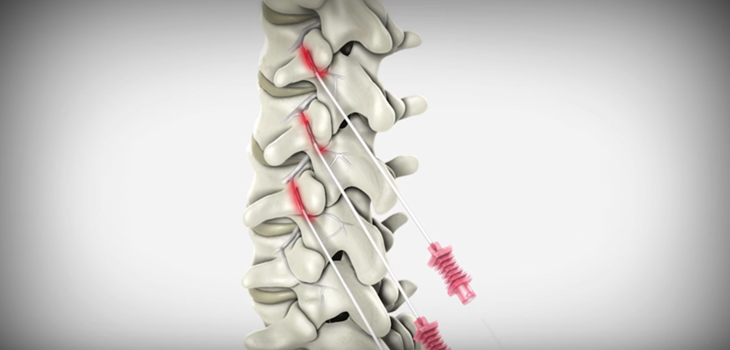
The clearance, announced on July 11, 2017 by the company, is for the MultiGen 2 RF Generator used during a minimally invasive procedure to relieve facet joint pain. The generator is being debuted at the 25th annual meeting of the Spine Intervention Society.
The company says the device is engineered with double the industry standard for power and achieves target temperature “faster, with fewer errors, for increased reliability and efficiency. Physicians can start a procedure with the push of a single button, create strip lesions without removing electrodes and resolve errors without stopping the procedure, maximizing time and schedules. Procedures are customizable based on patient needs and physician preferences with flexible stimulation controls.”
Benefits
The following benefits are listed by the company:
- Significant and longer-lasting pain relief compared to steroid injections
- Low complication and morbidity rates
- Appreciable pain relief compared to surgery: Nearly half of back pain sufferers are not helped by surgery
- Greater range of motion
- Lower use of analgesics
- Improved quality of life
- Short recovery time
“The next generation of radiofrequency ablation has arrived,” said Brad Wallace, brand manager for Stryker. “The MultiGen 2 RF Generator provides physicians with control and confidence, making radiofrequency ablation more efficient and reliable than ever before.”
The generator and Venom Cannula and Electrode System make up Stryker’s Performance Platform. According to the company, physicians can “confidently create the industry’s largest, least-invasive lesions in the shortest amount of time. Together, the Performance Platform delivers reliability, efficiency and ultimate control.”
Tens of millions of Americans experience low back pain at any given time. Facet joint pain is a well-recognized source of pain in patients with persistent back pain. The company cites multiple clinical studies which show that for the majority of patients, radiofrequency ablation significantly reduces pain severity and frequency for one year.
To see a video of the ablation procedure, click here.
Author
React:
Discussion
This is a fascinating development. In my practice we've seen similar outcomes with the revised protocol. The key differentiator seems to be patient selection criteria. Has anyone else noticed the correlation with BMI thresholds?
Great point. I'd push back slightly on the conclusion, the sample size in the cited study is too small to draw population-level inferences. That said, the directional signal is compelling and worth a larger RCT.
We implemented a similar approach last year. Early results are promising but we're still gathering 12-month follow-up data. Happy to share our protocol if anyone is interested.
Join the conversation
Orthopedic professionals are discussing this. Sign in and upgrade to read every comment and add your voice.