
Exactech, Inc., based in Gainesville, Florida, has announced that the company has had the first clinical use of its recently approved shoulder, knee and hip replacement systems in Japan. These surgeries coincide with the series of new product introductions the company has reported in the U.S.
Exactech: First Clinical Use of New Products in Japan
1 min read Premium comments
Secondary
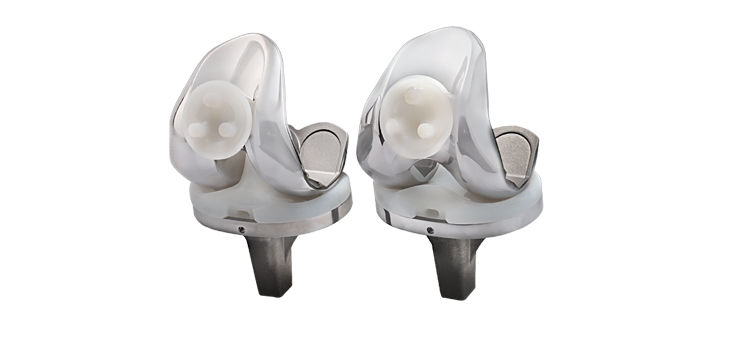
According to the June 22, 2017 company news release, “Exactech has gained regulatory approval to introduce additional products from each of its three major product segments to the Japanese market. The first Optetrak Logic CR knee system was implanted on April 6 at Taketa Medical Association Hospital in Oita. The Novation Crown Cup acetabular component debuted on April 26 in Ukubo City. The first Exactech total hip replacement surgery in Japan took place on May 16 at the Taketa Medical Association Hospital when a surgeon implanted the Alteon Tapered Wedge Stem along with the Crown Cup. The first Equinoxe Reverse Shoulder system was implanted June 5 at Sano Memorial Hospital.”
“Exactech has maintained direct distribution in Japan since 2008 with consistent growth. These new product introductions are important milestones for Exactech in one of our key global markets,” said Exactech Vice President of International Sales and Market Development Daniel Berdat. “We are pleased to expand our offerings with these important innovations to better serve surgeons and patients.”
Berdat, after hearing reports from the surgeons in Japan, told OTW, “We received very positive feedback from surgeons who performed these cases. They expressed satisfaction with many elements of the implant designs and found the new instrumentation to be sophisticated and easy to use.”
Author
React:
Discussion
This is a fascinating development. In my practice we've seen similar outcomes with the revised protocol. The key differentiator seems to be patient selection criteria. Has anyone else noticed the correlation with BMI thresholds?
Great point. I'd push back slightly on the conclusion, the sample size in the cited study is too small to draw population-level inferences. That said, the directional signal is compelling and worth a larger RCT.
We implemented a similar approach last year. Early results are promising but we're still gathering 12-month follow-up data. Happy to share our protocol if anyone is interested.
Join the conversation
Orthopedic professionals are discussing this. Sign in and upgrade to read every comment and add your voice.