
Bioventus, headquartered in Durham, North Carolina, has announced that its full surgical orthobiologics portfolio is available through Premier, Inc., headquartered in Charlotte, North Carolina.
Bioventus Portfolio Available Through Premier, Inc.
1 min read Premium comments
Secondary
According to a June 7, 2017 Bioventus news release, Premier is a health care improvement company serving more than 3,750 U.S. hospitals and more than 130,000 other provider organizations throughout the country.
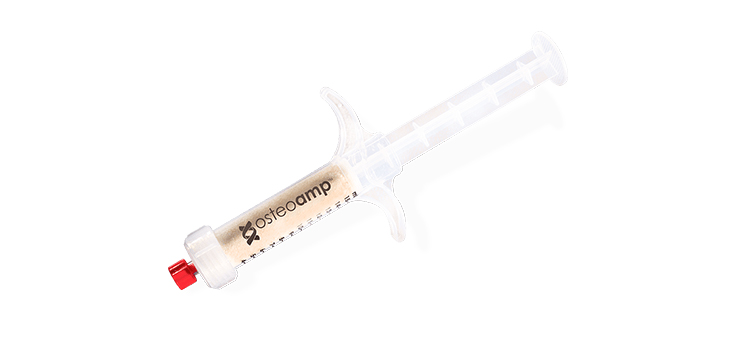
“OSTEOAMP, an allograft fusion solution, has been available through Premier since 2012,” said Bioventus in its news release. “Additional products in the new agreement include: SIGNAFUSE, a bioactive bone graft substitute, EXPONENT demineralized bone matrix, PUREBONE demineralized cancellous bone and cancellous chips, INTERFACE bioactive bone graft, OSTEOMATRIX biphasic mineral/collagen bone graft, OSTEOPLUS biphasic mineral bone graft, CELLXTRACT, an autologous cell and marrow extraction device, and EXTRACTOR autologous cell and marrow extraction device.”
“The Bioventus Surgical portfolio is designed to meet the needs of surgeons and their patients, across a broad range of clinical situations, procedures, and costs,” said Henry Tung, M.D., senior vice president, Bioventus and president, Bioventus Surgical. “We expect the Premier alliance of hospitals and healthcare providers to benefit greatly from our clinically supported and cost-effective orthobiologic solutions.”
Thomas Hill, spokesperson for Bioventus, told OTW, “Prior to the extension, we had current business that was tied to Premier with our allograft offering called OSTEOAMP. This new GPO agreement has made it easier for our sales representatives to speak to our entire portfolio which is now part of the agreement. We expect to see an uptick in sales over 6-12 months as distributors build awareness of the contract and our synthetic portfolio in Premier accounts.”
Author
React:
Discussion
This is a fascinating development. In my practice we've seen similar outcomes with the revised protocol. The key differentiator seems to be patient selection criteria. Has anyone else noticed the correlation with BMI thresholds?
Great point. I'd push back slightly on the conclusion, the sample size in the cited study is too small to draw population-level inferences. That said, the directional signal is compelling and worth a larger RCT.
We implemented a similar approach last year. Early results are promising but we're still gathering 12-month follow-up data. Happy to share our protocol if anyone is interested.
Join the conversation
Orthopedic professionals are discussing this. Sign in and upgrade to read every comment and add your voice.