
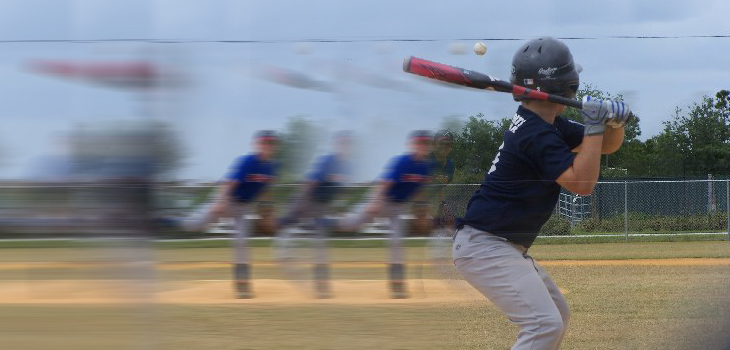
According to Safe Kids USA, 30 million children participate in organized sports and more than 3.5 million children under the age of 14 are treated annually for sports injuries.
Which Is Safer, Organized Sports or Free Play?
2 min read Premium comments
Secondary
High school athletes also have high injury rates. According to the Centers for Disease Control (CDC), high school athletics account for more than 2 million injuries annually, including 500,000 doctor visits and 30,000 hospitalizations.
In a session at the recent American College of Sports Medicine annual meeting in Denver, Colorado, entitled, “Controversies and Current Evidence in Pediatric Sports,” Mary Lloyd Ireland, M.D., an associate professor of orthopedic surgery at the University of Kentucky discussed some of the challenges in treating youth athletes and posed the question, which is safer, organized sport or free play?
An avid athlete herself, Ireland never says that one is safer than the other, but she did call for more moderation in sports and for doctors to be advocates for the youth athlete.
“Young athletes are specializing in sports and positions at an earlier age, and immature bones, insufficient rest after injury, and poor training and conditioning are contributing to overuse injuries,” she said.
Another component she said was that “young athletes tend to think they are invincible and feel no pain and their goal is to please their parents, peers and coaches.”
Overuse injuries account for half of all sports injuries in middle school and high school. Kids, whether from internal pressures or pressure from parents or coaches, feel that they have to specialize early to make it to the big leagues, but Ireland emphasized that Little League pitchers do not become Major League pitchers.
During her presentation, Ireland also discussed how cheerleading is “a problem sport because we don’t appreciate them as athletes. Cheerleading is associated with the highest number of catastrophic head and neck injuries.”
More preventive strategies are needed for cheerleading including having an emergency plan in place and making sure coaches supervise all practices and that they are safety-certified, she said.
She called for doctors and other health care providers to be advocates for the youth athlete. She said that health care providers do not actively prevent overuse injuries in youth sports such as baseball and cheerleading. There is also the need to establish youth injury registries to better document and prevent overuse injuries in these young athletes.
Besides the push for specialization, Ireland also commented another challenge in treating young athletes is the unique properties of the growing skeleton.
“Children are not little adults. They heal and act differently,” she said.
While a growing skeleton has greater potential for remodeling and bones are more resilient, injury to open growth plates are a concern.
She added, “20% of all children’s fractures are physeal fractures, fractures that occur in the distal or proximal physis of the long bones, and 1% will develop growth arrest which can lead to deformity and shortening of the bone.”
Which is safer, organized sports or free play? Ireland reiterated. “My answer is that we need youth injury registries and more moderation and we need to let them have fun.”
Author
React:
Discussion
This is a fascinating development. In my practice we've seen similar outcomes with the revised protocol. The key differentiator seems to be patient selection criteria. Has anyone else noticed the correlation with BMI thresholds?
Great point. I'd push back slightly on the conclusion, the sample size in the cited study is too small to draw population-level inferences. That said, the directional signal is compelling and worth a larger RCT.
We implemented a similar approach last year. Early results are promising but we're still gathering 12-month follow-up data. Happy to share our protocol if anyone is interested.
Join the conversation
Orthopedic professionals are discussing this. Sign in and upgrade to read every comment and add your voice.