
If you’ve seen a Medicare card, you’ve probably noticed that a social security number (SSN) is included in the information. Your SSN is your unique, numeric identifier that’s linked to just about everything from your student loans to pensions, and hospital records to job applications. However, stealing SSN numbers is also a popular foundation for identity theft and fraud.
Medicare and SSN Call It Quits
2 min read Premium comments
Secondary
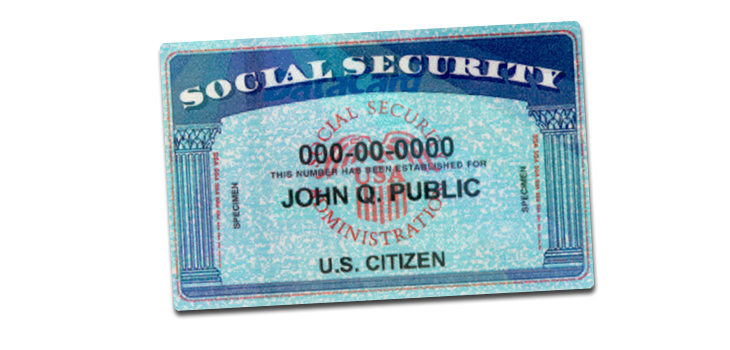
On May 30, 2017, the Centers for Medicare and Medicaid Services (CMS) announced SSNs will be removed from Medicare cards to protect patients. The change will impact 57.7 million Americans.
CMS Administrator Seema Verma announced in a statement that new cards will be issued in April 2018. Congress established an April 2019 deadline for all Medicare cards to be replaced, SSN-free, and Verma has promised that everyone will receive their new cards in a timely manner. However, patients should not destroy their current cards until their replacement arrives.
Verma says, “We’re taking this step to protect our seniors from fraudulent use of social security numbers, which can lead to identity theft and illegal use of Medicare benefits.” CMS is acting fast to ensure that both patients and healthcare providers are aware of changes and have all the information necessary to transition without any bumps.
A Numbers Game
The change is part of the Medicare Access and CHIP Reauthorization Act, which passed in 2015. The plan lets providers utilize either the Medicare Beneficiary Identifier (MBI) or Social Security-centered Health Insurance Claim Number until December 31, 2019. The change has been embraced by many in the medical community, but there are some physician groups—backed by the American Medical Association—which have some worries.
Older patients might get confused with the new cards, forget them or lose them according to some concerned physicians. The scores of groups, which includes the American Orthopaedic Foot & Ankle Society, wrote to Verma on May 11, 2017 to request the changes be vetted through traditional rulemaking procedures. This would allow a “backup method” for accessing a patient’s MBI. According to the group, “CMS has said that, for security purposes, it will not provide information on when new identification cards will be sent to beneficiaries, which means practices will not know when to ask their patients for their new card.”
Medicare fraud is, unfortunately, not rare or new. In June 2016, the Department of Justice (DOJ) undertook a nationwide sweep and arrested 301 people for $900 million in fraudulent billings—the majority from Medicare and Medicaid. CMS reports that such crimes against the elderly is becoming increasingly common, even with more efforts to fight it. The DOJ reports “crimes against seniors” increased from 2.1 million to 2.6 million from 2012 – 2014. In addition to financial theft and credit score damage, such fraud can cause false information on someone’s health record, leading to “harm care.”
CMS reports that it will move forward with the transitional strategy as planned.
Author
React:
Discussion
This is a fascinating development. In my practice we've seen similar outcomes with the revised protocol. The key differentiator seems to be patient selection criteria. Has anyone else noticed the correlation with BMI thresholds?
Great point. I'd push back slightly on the conclusion, the sample size in the cited study is too small to draw population-level inferences. That said, the directional signal is compelling and worth a larger RCT.
We implemented a similar approach last year. Early results are promising but we're still gathering 12-month follow-up data. Happy to share our protocol if anyone is interested.
Join the conversation
Orthopedic professionals are discussing this. Sign in and upgrade to read every comment and add your voice.