
With plans to expand distribution and access to functional electrical stimulation (FES) technologies in the European Union, UK, Switzerland, Norway, Turkey and India, two companies, Bioness Inc. of Valencia, California and Ottobock of Duberstadt, Germany have formed a partnership.
Ottobock and Bioness Form Electrical Stimulation Partnership
1 min read Premium comments
Secondary
Company officials claim that the collaboration will combine best-in-class technologies and resources to transform the mobility management paradigm, deliver next-generation medical solutions and expand product reach while improving the user experience.
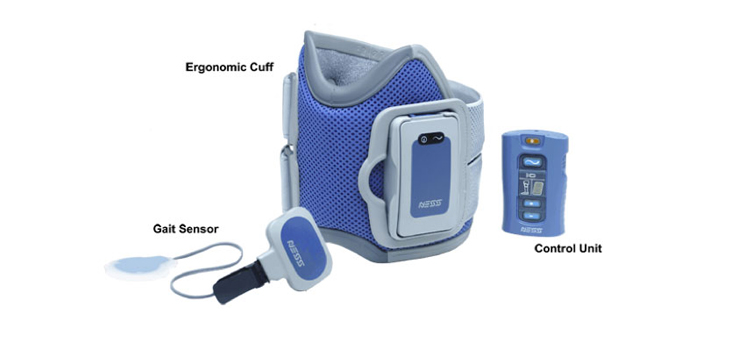
Ottobock will begin product commercialization within its Orthotics Division starting in September 2017, and will distribute Bioness’ complete FES portfolio for the lower (L300 Go System) and upper extremities (H200 Wireless® System).
Bioness and Ottobock share many customers. Officials of both companies believe that this strategic partnership will enable both organizations to improve technology access as well as enhance the healthcare provider and patient experience.
“Our partnership with Ottobock opens up significant opportunity for both organizations,” said Todd Cushman, President and CEO of Bioness. “Our leading technology position in functional electrical stimulation, highlighted by the recent clearance of the L300 Go™ System by US FDA and CE Mark, combined with Ottobock’s resources, reputation and market reach, creates an extremely powerful synergy.”
“Since 2005 Ottobock has been offering functional electrical stimulation device solutions as part of their mobility after stroke concept for healthcare providers and patients,” said Frank Bömers, Global Head of Orthotics for Ottobock. “Our strategic partnership with Bioness reinforces our commitment to the technology platform and allows Ottobock to leverage its resources to expand product access and affordability.”
Author
React:
Discussion
This is a fascinating development. In my practice we've seen similar outcomes with the revised protocol. The key differentiator seems to be patient selection criteria. Has anyone else noticed the correlation with BMI thresholds?
Great point. I'd push back slightly on the conclusion, the sample size in the cited study is too small to draw population-level inferences. That said, the directional signal is compelling and worth a larger RCT.
We implemented a similar approach last year. Early results are promising but we're still gathering 12-month follow-up data. Happy to share our protocol if anyone is interested.
Join the conversation
Orthopedic professionals are discussing this. Sign in and upgrade to read every comment and add your voice.