
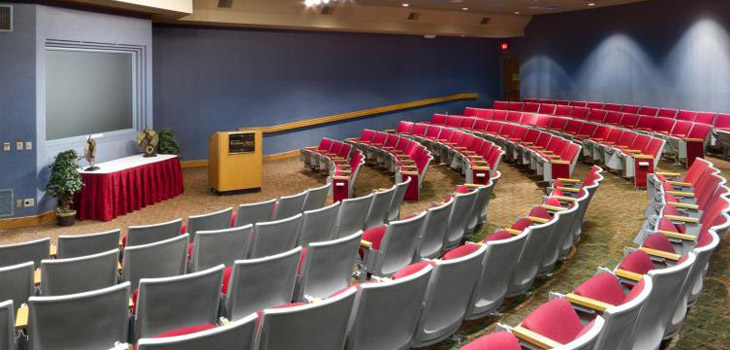
The role of cellular therapies in sports medicine including its use in young athletes will be one of the highlighted topics at the 11th Annual Sanford Sports Medicine Symposium which will be held Friday, April 28 through Saturday, April 29, 2017 at the Ramkota Hotel & Conference Center in Sioux Falls, South Dakota.
Sanford Sports Medicine Symposium: Regenerative Medicine and the Athlete
1 min read Premium comments
Secondary
Thomas Best, M.D., Ph.D., professor of orthopedics at the University of Miami Health and Christopher Harner, M.D., professor of orthopedic surgery at the University of Texas Health System as well as Sanford Health’s orthopedic physician leaders Mark Lundeen, M.D., Jason Hurd, M.D. and Benjamin Noonan, M.D., will be on-hand to discuss the risks and rewards and future direction of regenerative medicine.
Another highlight of the symposium will be a session on tendinopathy headlined by Karim Khan, M.D., Ph.D., ACSP, a sports physician and professor at the University of British Columbia and Karin Grävare Silbernagel, PT, ATC, Ph.D., assistant professor in physical therapy at the University of Delaware. This session will include a discussion on the evolution of how tendinopathy has been managed over the last 20 years as well as a review of current research. Current management practices for Achilles tendon injury will also be discussed.
“Our ultimate goal is to provide attendees with the most current research in sports medicine-related injuries and conditions,” Tryg Odney, sports medicine outreach manager at Sanford Health in Sioux Falls, South Dakota told OTW.
“In addition to our highlighted sessions, we have sessions geared toward knee, shoulder and foot and ankle conditions and management,” he said
Nutrition, return to sport strategies, running mechanics and blood flow restriction therapy are other topics that will be explored as well during the symposium.
Right at the end of the conference on Saturday, Sanford Orthopedics & Sports Medicine will also be hosting the 16th Annual POWER Strength & Conditioning Clinic. The clinic will continue on Sunday, April 29, 2017.
Author
React:
Discussion
This is a fascinating development. In my practice we've seen similar outcomes with the revised protocol. The key differentiator seems to be patient selection criteria. Has anyone else noticed the correlation with BMI thresholds?
Great point. I'd push back slightly on the conclusion, the sample size in the cited study is too small to draw population-level inferences. That said, the directional signal is compelling and worth a larger RCT.
We implemented a similar approach last year. Early results are promising but we're still gathering 12-month follow-up data. Happy to share our protocol if anyone is interested.
Join the conversation
Orthopedic professionals are discussing this. Sign in and upgrade to read every comment and add your voice.