
Vexim is announcing the completion the enrollment of a major trial. According to the company, it is a multicenter European study that will support a 510(k) submission to the FDA.
VEXIM Completes Enrollment of Major Clinical Trial
2 min read Premium comments
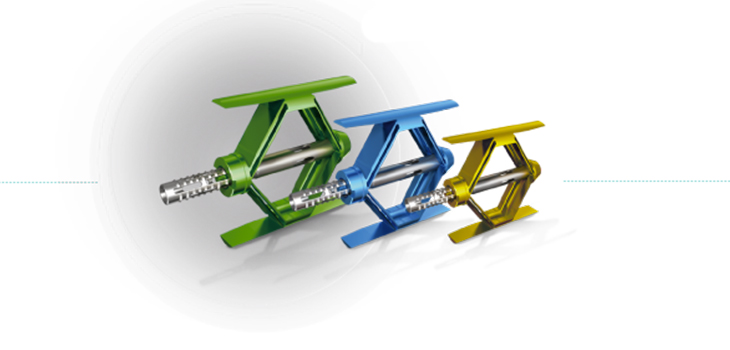
Secondary
According to the February 21, 2017 news release, the prospective and randomized multicenter study “…aims to compare safety and efficacy of the SpineJack vs balloon kyphoplasty on 152 patients with osteoporotic vertebral compression fractures. It is being conducted in 12 centers in Germany, France, Italy, Spain and Switzerland…”
“Vexim’s clinical trial compares improvements in terms of back pain, functional and physical capability, quality of life, device safety, analgesic usage and vertebral height restoration, on patients suffering osteoporotic vertebral compression fractures and treated with the SpineJack and balloon kyphoplasty. Trial’s success will be defined by showing the SpineJack’s non-inferiority to balloon kyphoplasty on a primary endpoint which is a composite measure of pain reduction, maintenance or improvement in function and absence of device related serious adverse event.”
“As of today, all 152 patients planned have been randomized. Half of them within SpineJack treatment group, the other half in the balloon kyphoplasty group. The finalization of patient enrollment represents an important milestone in the trial’s schedule. SpineJack 510(k) file is planned to be submitted to the FDA before the end of year 2017.”
CEO Vincent Gardès told OTW, “This is an important milestone since it creates for the company a clear timeline for the end of the patients follow up period and preparation for our 510(k) filing which will occur at the end of 2017. It also gets Vexim closer to the launch of the SpineJack in the United States of America which is planned beginning of 2018 provided Spinejack gets its regulatory approval by the FDA. Last but not least, this is also a great achievement for a startup company to run an international, randomized and multicenter clinical study of this size and importance (12 sites, 152 patients, 5 countries).”
“The next six months will be dedicated to the collection of all clinical reports and documents while planning the follow up visits with the patients. We will also work on the 510(k) filing that we plan to submit together with the final clinical data and report at the beginning of Q4 2017.”
Author
React:
Discussion
This is a fascinating development. In my practice we've seen similar outcomes with the revised protocol. The key differentiator seems to be patient selection criteria. Has anyone else noticed the correlation with BMI thresholds?
Great point. I'd push back slightly on the conclusion, the sample size in the cited study is too small to draw population-level inferences. That said, the directional signal is compelling and worth a larger RCT.
We implemented a similar approach last year. Early results are promising but we're still gathering 12-month follow-up data. Happy to share our protocol if anyone is interested.
Join the conversation
Orthopedic professionals are discussing this. Sign in and upgrade to read every comment and add your voice.