
Schoen Klinik, a family-owned hospital group in Germany, has announced a partnership with the prehab experts at PeerWell, a San Francisco-based technology company, so that patients can get ready for surgery.
Schoen Klinik Partners With PeerWell for Prehab
2 min read Premium comments
Secondary
According to the February 15, 2017 news release, “PeerWell, whose PreHab mobile platform helps patients prepare both physically and mentally for surgery to recover faster, today announced a new partnership with European orthopedic leader Schoen Klinik, to offer technology assisted prehab programs for its surgical patients. PeerWell will be used to help optimize the health of hip and knee replacement patients at select Schoen Klinik sites.”
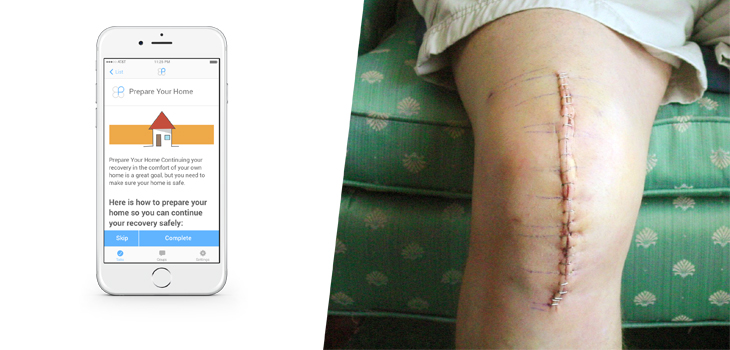
“Patients who schedule surgery at select Schoen Klinik sites will have the opportunity to download PeerWell’s PreHab platform to their phones prior to surgery, allowing them to be more educated and aware of what to expect. Using the app, they will be guided through personalized daily checklists that create a roadmap of actions to optimize their health leading up to surgery. Tasks cover a range of topics including nutrition, exercise, preparing the home environment, pain management and mindfulness based anxiety reduction. The PreHab platform also provides patients with the ability to engage in peer-to-peer networking and to chat with patient mentors who have already successfully completed the procedure.”
“Engaging patients as active participants in their care prior to and after major surgeries are essential to achieve better outcomes,” said PeerWell CEO Manish Shah. “By partnering with Schoen Klinik, we’re able to deliver our PreHab platform to thousands of surgical patients, while adding value to the overall experience. Schoen Klinik has always held themselves to a high standard of evidence-based care and are pioneers when integrating digital technologies into their practice. Their decision to implement the PreHab digital health tool is a testament to their patient commitment to provide value-based care and add leverage to their clinical staff.”
Christopher Schön, COO of Schoen Klinik, told OTW, “We are able to track patients with high precision when they are in the hospital, but we have a large blind spot covering what patients do between the time they decide to have surgery and when they show up to the hospital. This period is critical to patient success. Partnering with PeerWell to extend our services is a natural fit.”
Asked what sort of effectiveness improvements they might you see as a result of this partnership, Schön added, “Today our in-hospital workflow for joint replacement surgery is standard and efficient, but PeerWell is helping us extend our reach outside of the hospital and make use of this valuable time to optimize patients before they get to surgery.”
“Oftentimes new technology comes at the expense of clinical workflow and quality of life for providers. Surgeons should know that there are health systems, like the Schoen Klinik, that are constantly searching for ways to improve the lives of both patients and surgeons—and there are well architected technologies like PeerWell that can enable these improvements.”
Author
React:
Discussion
This is a fascinating development. In my practice we've seen similar outcomes with the revised protocol. The key differentiator seems to be patient selection criteria. Has anyone else noticed the correlation with BMI thresholds?
Great point. I'd push back slightly on the conclusion, the sample size in the cited study is too small to draw population-level inferences. That said, the directional signal is compelling and worth a larger RCT.
We implemented a similar approach last year. Early results are promising but we're still gathering 12-month follow-up data. Happy to share our protocol if anyone is interested.
Join the conversation
Orthopedic professionals are discussing this. Sign in and upgrade to read every comment and add your voice.