
Zimmer Biomet Holdings, Inc. has had a multi-district litigation (MDL) case over its NexGen Flex knee implant for some time. At least 5,900 product liability lawsuits have been consolidated into that MDL under U.S. District Judge Rebecca Pallmeyer in Northern Illinois.
Zimmer Biomet Wins 3rd NexGen Trial
2 min read Premium comments
Secondary
But on January 26, 2017, as reported by MassDevice, the company won its third bellwether trial under that litigation when a federal jury in Illinois found against Beverly Goldin, the first of thousands of plaintiffs who brought the lawsuits.
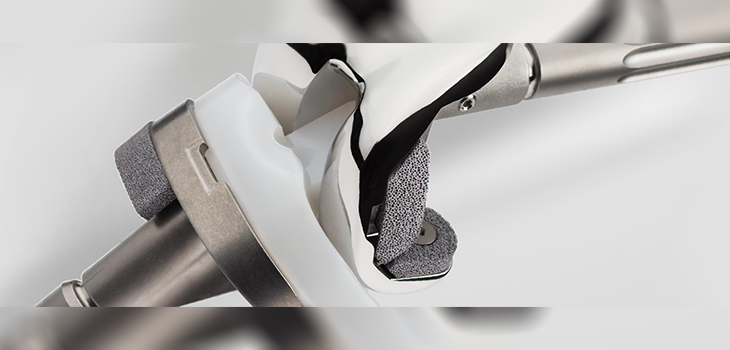
The implant was designed to provide more flexibility than other knee replacement implants. The FDA gave the company marketing clearance in 2007.
Here are the claims made by company on its website:
“The Zimmer Biomet NexGen LPS-Flex Knee is a posterior stabilized, cemented knee prosthesis that extends the NexGen Complete Knee Solution to patients capable of up to 155 degrees of active flexion. Designed to accommodate resumption of high flexion daily activities, the Legacy® Posterior Stabilized (LPS)-Flex fixed bearing knee offers surgeons the freedom to select the best component combination for any given patient, based on preoperative and intraoperative assessment.”
Goldin, according to the MassDevice story, claimed the device couldn’t withstand the extra flexion claimed by the company. She and others in the MDL group allege that a design flaw makes the device more prone to premature loosening requiring revision procedures.
The company denies the allegation and says the device has a successful track record.
Judge Pallmeyer and two juries have agreed with the company.
“Judgment is entered in favor of defendant Zimmer Inc., and against plaintiff Beverly Jemma Goldin,” according to court documents filed in the most recent trial.
Last fall, the company won the second bellwether trial when Pallmeyer found that the plaintiff failed to prove that a design defect caused the implant to fail.
In November 2015, the jury in the first bellwether trial also cleared the company, finding that the plaintiff failed to prove defective design and failure to warn claims. In that case, after a month-long trial in Chicago, attorneys for Zimmer argued that the plaintiff did not have enough evidence to prove the implants failed due to a design defect.
Instead, they said the patient was partly responsible because she returned to work and performed too much physical activity too soon after surgery. They also said her surgeon inadequately secured the implant.
The outcome of a bellwether trial is not binding on other cases in the litigation. But they are useful for determining how a jury will respond to evidence. If the jury awards damages, it can also help expedite a settlement or other resolution for other cases involving similar injuries.
Author
React:
Discussion
This is a fascinating development. In my practice we've seen similar outcomes with the revised protocol. The key differentiator seems to be patient selection criteria. Has anyone else noticed the correlation with BMI thresholds?
Great point. I'd push back slightly on the conclusion, the sample size in the cited study is too small to draw population-level inferences. That said, the directional signal is compelling and worth a larger RCT.
We implemented a similar approach last year. Early results are promising but we're still gathering 12-month follow-up data. Happy to share our protocol if anyone is interested.
Join the conversation
Orthopedic professionals are discussing this. Sign in and upgrade to read every comment and add your voice.