
A Medtronic plc radiofrequency (RF) energy ablation system originally cleared for use in the spine, now has FDA clearance to be used for palliative treatment of metastases in all bony anatomy—such as ribs, sacrum, extremities, and hips—in patients who have failed or are not candidates for standard therapy.
Spine RF Ablation System Cleared for All Bony Anatomy
1 min read Premium comments
Secondary
In announcing the clearance of the OsteoCool RF Ablation System on February 15, 2017 in a company press release, Sandeep Bagla, M.D., an interventional radiologist with the Vascular Institute of Virginia in Woodbridge, Virginia, said, “Patients with metastatic bone cancer may be treated with conventional therapies such as opioids, chemotherapy or radiation therapy for pain palliation. With the expanded indication for the OsteoCool System, I now have the option to ablate these patients’ painful bone tumors when conventional therapies are considered ineffective, too slow-acting or cause unacceptable side effects.”
Metastatic bone disease, according to the company, has been reported to occur in 60-80% of cancer patients, most frequently among patients with primary malignancies of the breast, prostate, liver, and lung. More than 80% of bone metastases are found in the axial skeleton, which includes the skull, spine, and ribs.
Jeff Cambra, general manager of the Pain Therapies Interventional business, which is part of the Restorative Therapies Group at Medtronic, said, “With this expanded indication, we put an important treatment option into the hands of physicians so that they can help more patients suffering from debilitating pain.”
Medtronic acquired the OsteoCool technology and associated intellectual property from Baylis Medical on December 16, 2015 and partnered with the company to further innovate the system.
RF Ablation Technology
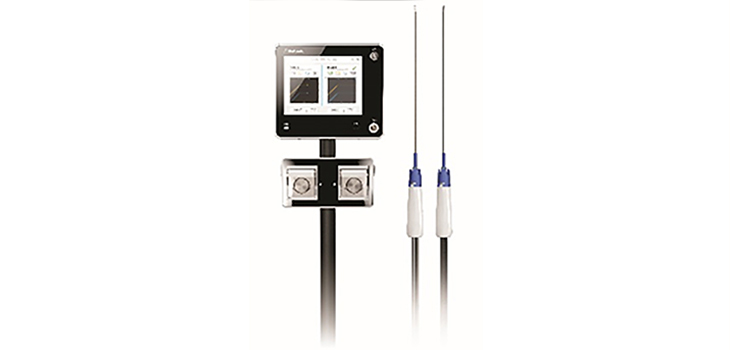
The company says the OsteoCool system is the only cooled radiofrequency ablation technology that offers simultaneous, dual-probe capabilities—providing for procedural flexibility and predictable, customized treatment. The system is temperature controlled and uses internally water-cooled probes to prevent overheating of surrounding tissue during the procedure.
The device also has a CE mark for the ablation of benign bone tumors such as osteoid osteoma and palliative treatment of metastatic malignant lesions involving bone, including the vertebral body. This indication is not yet available in the U.S.
Author
React:
Discussion
This is a fascinating development. In my practice we've seen similar outcomes with the revised protocol. The key differentiator seems to be patient selection criteria. Has anyone else noticed the correlation with BMI thresholds?
Great point. I'd push back slightly on the conclusion, the sample size in the cited study is too small to draw population-level inferences. That said, the directional signal is compelling and worth a larger RCT.
We implemented a similar approach last year. Early results are promising but we're still gathering 12-month follow-up data. Happy to share our protocol if anyone is interested.
Join the conversation
Orthopedic professionals are discussing this. Sign in and upgrade to read every comment and add your voice.