
A multicenter study published in the February 2017 edition of Arthroscopy took on the task of assessing whether posterior humeral subluxation was related to posterior instability. A total of 41 patients who underwent surgery for posterior glenohumeral instability were matched with 41 patients who had surgery for another shoulder condition. In the study group, the average glenoid version was 8.1 degrees of retroversion, while the average humeral subluxation was 56%. In the control group, the average glenoid version was 5.6 degrees of retroversion, while the average humeral subluxation was 54%. The study was entitled, “Comparison of Glenoid Version and Posterior Humeral Subluxation in Patients With and Without Posterior Shoulder Instability”.
Posterior Humeral Subluxation Not Relevant to Posterior Shoulder Instability
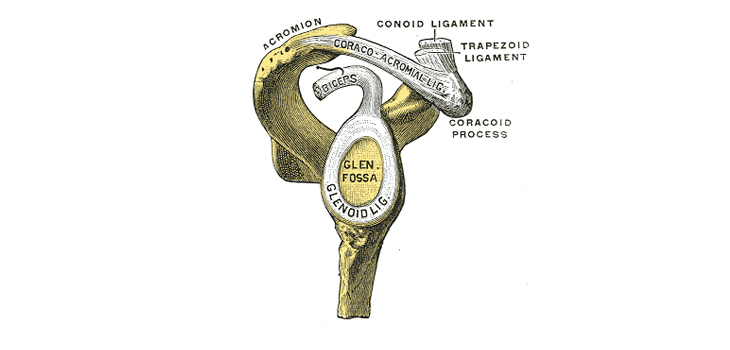
The authors wrote, “Glenoid retroversion is significantly increased in patients with symptomatic posterior labral tears compared with a control group. However, there was no statistically significant difference between the groups with regard to posterior humeral subluxation and, therefore, is not a reliable indicator of the presence or absence of symptomatic posterior shoulder instability.”
Jon J.P. Warner, M.D. is chief of the Harvard Shoulder Service and co-director of the Harvard Shoulder and Elbow Fellowship. Dr. Warner told OTW, “The purpose was to determine if posterior humeral subluxation was relevant to posterior instability. It was not. In fact, the orientation of the socket posteriorly correlated with posterior labrum tears.”
“This study means that posterior subluxation is not a factor in posterior instability. Retroversion is associated with posterior labrum tears. It is not clear to what degree this affects outcome of surgery.”
Author
Discussion
This is a fascinating development. In my practice we've seen similar outcomes with the revised protocol. The key differentiator seems to be patient selection criteria. Has anyone else noticed the correlation with BMI thresholds?
Great point. I'd push back slightly on the conclusion, the sample size in the cited study is too small to draw population-level inferences. That said, the directional signal is compelling and worth a larger RCT.
We implemented a similar approach last year. Early results are promising but we're still gathering 12-month follow-up data. Happy to share our protocol if anyone is interested.
Join the conversation
Orthopedic professionals are discussing this. Sign in and upgrade to read every comment and add your voice.