
It is not just breakfast cereal that goes “snap, crackle and pop” when milk is poured on it. Joints do as well when tendons and ligaments snap over other tissues and bones. The sounds can also be caused by pockets of nitrogen gas within the fluid that helps lubricate joints and provides nutrition to cartilage, according to Aman Dhawan, M.D., an orthopedic sports medicine specialist at Penn State Health’s Milton Hershey Medical Centre. “Our joints are mobile, so there are a lot of things that slide over or run past each other. When they move, there is the potential for anatomy to intersect,” he said.
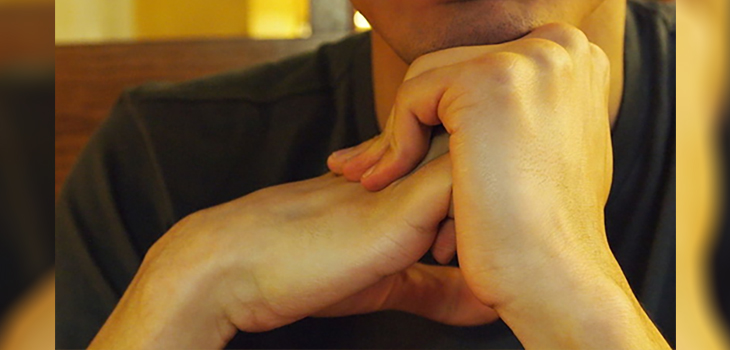
Knuckle Cracking Normal, Does No Harm
1 min read Premium comments
Secondary
Per the publication, Health 24 Arthritis the only time to become concerned about the sounds made by joints is if one has swelling or pain. Both Dhawan and Robert Gallo, M.D., an orthopedic sports medicine specialist at Hershey Medical Centre, say that there is no link between joint sounds and arthritis. Cracking your joints does not make them swell up or become arthritic, they said.
Some people believe that chondroitin and glucosamine supplements or injections help lubricate joints. But Gallo said that there is little evidence to prove they are effective. The doctors advised that joints can benefit from stretching and strengthening exercises, low-impact workouts (such as swimming and bicycling), maintaining a healthy weight and not smoking.
“There is good data to support getting rid of excess weight because it does improve pain in the joints of the lower extremities, as well as decreases the risk of getting arthritis or of having it progress,” Dhawan said. “The joints carry the weight of our bodies, so the less stress you put on them, the longer they will stay healthy.”
Author
React:
Discussion
This is a fascinating development. In my practice we've seen similar outcomes with the revised protocol. The key differentiator seems to be patient selection criteria. Has anyone else noticed the correlation with BMI thresholds?
Great point. I'd push back slightly on the conclusion, the sample size in the cited study is too small to draw population-level inferences. That said, the directional signal is compelling and worth a larger RCT.
We implemented a similar approach last year. Early results are promising but we're still gathering 12-month follow-up data. Happy to share our protocol if anyone is interested.
Join the conversation
Orthopedic professionals are discussing this. Sign in and upgrade to read every comment and add your voice.