
On January 16, 2017, SpineGuard, Inc. announced that it received 510(k) clearance from the FDA for its new DSG integration module to be used in combination with Zavation LLC’s spinal fusion system to make Zavation’s pedicle screws “smart.”
FDA Clears SpineGuard Smart Screw for Zavation Fusion System
1 min read Premium comments
Secondary
The companies first announced their collaboration effort back in March 2015 and are now able to market the fruits of that collaboration.
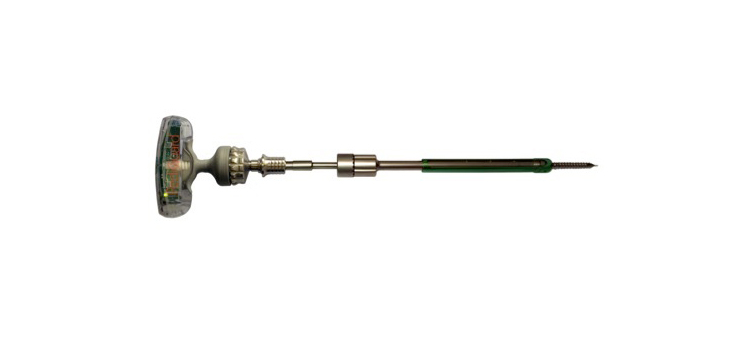
The DSG Screw is a pedicle screw system with a breach anticipation sensor located at the tip of the screw that gives surgeons real-time screw guidance and the ability to insert directly into the pedicle without drilling a pilot hole. In minimally invasive surgery, it also obviates the need for a k-wire.
The technology is a unique combination of a bipolar sensor and a pedicle screw in just one device.
“The DSG sensor differentiates various tissue types (cancellous bone, cortical bone, blood and soft tissues) based on the analysis of the local electrical conductivity. Real-time feedback informs the surgeon of changes in tissue type by an audio signal varying in pitch and cadence. This in turn alerts the surgeon of potential breaches during pedicle screw placement and allows for screw redirection,” according to the company announcement.
The outcome, claims the company, is a single-step pedicle screw insertion with a high degree of accuracy, reduced radiation exposure and streamlined surgical steps resulting in potential time and cost savings.
Zavation, located near Jackson, Mississippi, is an employee-owned medical device company that designs, develops, manufactures and distributes medical device products.
Jeffrey Johnson, president of Zavation, said back in 2015 that Zavation was honored to have been chosen as SpineGuard’s first co-development partner for the U.S. market. “This partnership dovetails perfectly with Zavation’s mission of enhancing quality of life for patients worldwide.”
SpineGuard’s DSG screw recently received one of Orthopedics This Week’s best new spine care technology awards of 2016.
Author
React:
Discussion
This is a fascinating development. In my practice we've seen similar outcomes with the revised protocol. The key differentiator seems to be patient selection criteria. Has anyone else noticed the correlation with BMI thresholds?
Great point. I'd push back slightly on the conclusion, the sample size in the cited study is too small to draw population-level inferences. That said, the directional signal is compelling and worth a larger RCT.
We implemented a similar approach last year. Early results are promising but we're still gathering 12-month follow-up data. Happy to share our protocol if anyone is interested.
Join the conversation
Orthopedic professionals are discussing this. Sign in and upgrade to read every comment and add your voice.