
You may have missed it, but on December 3, 2016 a small, elite group of athletes were on hand to salute legendary Richard Steadman, M.D., known worldwide for the Steadman Clinic and the Steadman Philippon Research Institute (SPRI).
Olympic Skiers, Fans Host Event for Richard Steadman, M.D.
2 min read Premium comments
Secondary
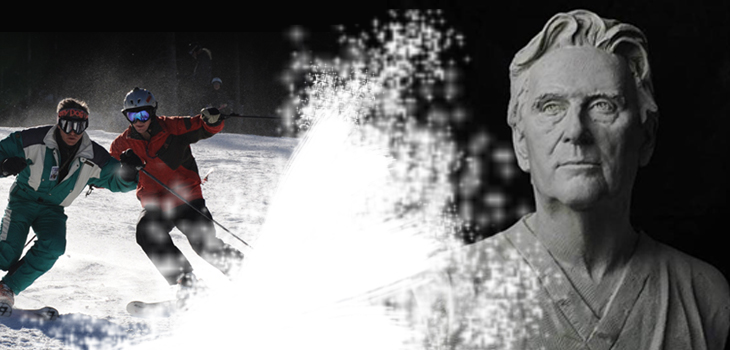
“The Grateful Steadys” is a group of patients, athletes, fellows, M.D.s, friends, and fans organized by four Olympic skiers—Andy Mill, Cindy Nelson, Edie Thys Morgan and Christin Cooper-Taché. The grateful group commissioned a life-size bronze bust by renowned sculptor Bruce Wolfe that was unveiled on Saturday December 3, 2016. The original statue will reside in the Steadman Philippon Research Institute wing of the new Vail Valley Medical Center, while one replica will reside in the U.S. Ski Team’s Center of Excellence, and another will grace the Steadman residence.
“In 1974, U.S. Ski Team star Cindy Nelson became the first elite skier to be treated by Dr. Steadman. Nelson would undergo 11 surgeries in her 14-year career, without ever missing a full season, winning Olympic Downhill bronze in 1976, along with a trio of World Championships medals and six World Cup races. Legions of USST athletes coursed through Tahoe over the next decades, often taking up residence in the Steadman home, as revolutionary protocols were tested, and proven sound, first on his living room floor, then out on the race courses.”
During the December 3, 2016 event, Dr. Steadman commented, “It’s a great thrill to have the people that I took care of be successful and come back to have great careers. I feel great about that!”
“I have always had a great relationship with ski racers. I think I just have the same mentality even though I wasn’t one. It’s great to be involved with them. I think they always have the right idea about things. When I am in a conversation with them we always talk about the same things.”
“My goal has always been to do the best we could do in the clinic. I always wanted to give the patients the best care that they could have and I surrounded myself with people who were equal or better than me and tried to provide the care that got them back to their sport.”
One of his patients told OTW, “I first met Dr. Steadman in 1973; he first worked on me in 1974. I had two ankle surgeries and nine surgeries [overall] and with each injury I came back to ski competition better than I was before the injury. We developed an incredible bond of trust and friendship. He’s an equally gifted genius surgeon and doctor as he is a great friend!”
And another commented, “I was part of a core group of ski racers and fellows who wanted to acknowledge and thank Dr. Steadman for his profound influence on our athletic careers and lives. We all recognize that we are blessed to have our careers overlap his career. He saved our careers, enriched our lives and changed orthopedics forever. We are all better people because of him and thanks to him, living active, healthy lives!”
React:
Discussion
This is a fascinating development. In my practice we've seen similar outcomes with the revised protocol. The key differentiator seems to be patient selection criteria. Has anyone else noticed the correlation with BMI thresholds?
Great point. I'd push back slightly on the conclusion, the sample size in the cited study is too small to draw population-level inferences. That said, the directional signal is compelling and worth a larger RCT.
We implemented a similar approach last year. Early results are promising but we're still gathering 12-month follow-up data. Happy to share our protocol if anyone is interested.
Join the conversation
Orthopedic professionals are discussing this. Sign in and upgrade to read every comment and add your voice.