
DePuy Synthes Products, Inc. is acquiring Interventional Spine, Inc.’s expandable cage and minimally invasive surgery (MIS) technologies for spinal fusion.
DePuy Synthes Buys Interventional Spine’s Expandable Cage
1 min read Premium comments
Secondary
In a January 3, 2017 announcement, DePuy Synthes said the asset agreement is the “latest example of the Johnson & Johnson Medical Devices strategy of investing in innovation in key platforms that will drive future growth. Financial terms of the transaction were not disclosed.
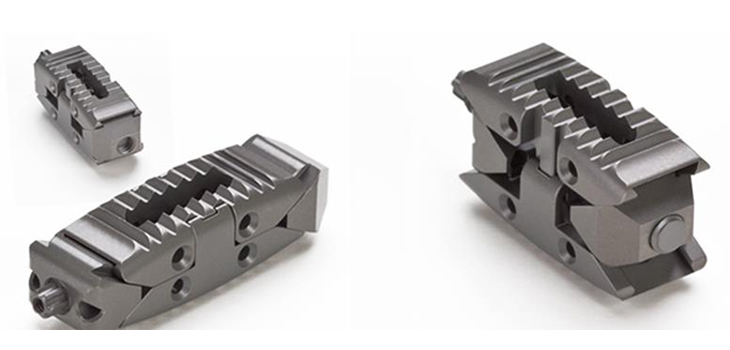
Interventional Spine’s expandable cage technology, according to the company, provides “optimal tactile feedback” for the surgeon, and features a continuously adjustable design that allows the surgeon to customize the device height to the patient’s anatomy. The implants are designed to maximize bone graft contact and containment, which helps promote bone growth and fusion. DePuy Synthes will significantly expand access to this technology by leveraging its global sales network.
DePuy Synthes is also acquiring Interventional Spine’s facet screw system for open and percutaneous spine surgery, a type of MIS that uses small skin incisions without cutting the underlying muscle.
This past May, Interventional Spine announced FDA clearance of its 80 Lumbar Lordotic Opticage Expandable Intervertebral Body Fusion Device. This device is part of the Interventional Spine line of Opticage Expandable Interbody Fusion Devices previously cleared in late 2015, and used with the company’s PerX360 System. The Opticage is a lumbar intervertebral body fusion device and is indicated for use with autogenous bone graft in patients with degenerative disc disease at one or two contiguous levels from L2-S1.
Interventional Spine, Inc. is a privately held company based in Irvine, California.
Author
React:
Discussion
This is a fascinating development. In my practice we've seen similar outcomes with the revised protocol. The key differentiator seems to be patient selection criteria. Has anyone else noticed the correlation with BMI thresholds?
Great point. I'd push back slightly on the conclusion, the sample size in the cited study is too small to draw population-level inferences. That said, the directional signal is compelling and worth a larger RCT.
We implemented a similar approach last year. Early results are promising but we're still gathering 12-month follow-up data. Happy to share our protocol if anyone is interested.
Join the conversation
Orthopedic professionals are discussing this. Sign in and upgrade to read every comment and add your voice.