
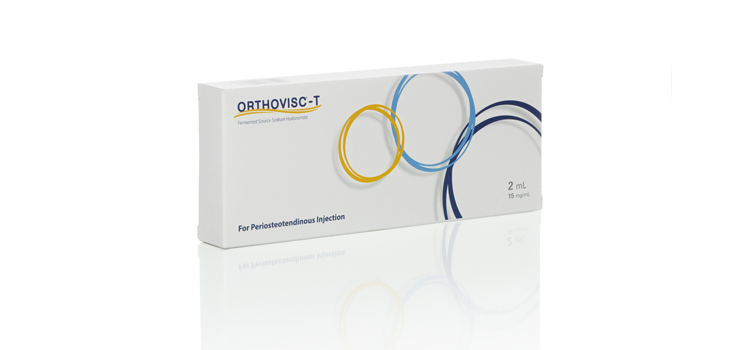
Massachusetts-based Anika Therapeutics, Inc., whose products are based on its proprietary hyaluronic acid (HA) technology, has announced the receipt of CE (European Conformity) Mark approval for ORTHOVISC-T (sodium hyaluronate for peritendinous injection). This treatment, indicated to relieve pain and restore function in tendons affected by chronic lateral epicondylosis, is designed to provide lubrication to the site of the damaged tendons to promote tendon gliding and to provide an environment to support tendon repair.
Anika Therapeutics: CE Mark for ORTHOVISC-T
2 min read Premium comments
Secondary
“We’re excited to announce the timely European approval of ORTHOVISC-T for the treatment of pain associated with one of the most common overuse injuries to connective tissues, the condition commonly described as tennis elbow, ” said Charles H. Sherwood, Ph.D., president and CEO, in the December 19, 2016 news release. “The availability of ORTHOVISC-T not only promises to help millions of people in Europe find relief from this painful condition, it also expands our global foothold in orthopedic medicine and provides real-world clinical experience to inform our path towards regulatory submission in the U.S.”
As indicated in the news release, “ORTHOVISC-T is administered via injection into the site of injury to relieve pain and restore function of tendons damaged by chronic injury and overuse, as often seen in tennis elbow. ORTHOVISC-T consists of a biocompatible, non-animal-derived and non-inflammatory formulation of hyaluronic acid similar to those found in the company’s best-selling viscosupplements, ORTHOVISC and MONOVISC.”
“Degenerative overuse injuries to tendons are a leading cause of pain and restricted activity, and, until now, treatments were limited to oral medications, physical and/or occupational therapy, and corticosteroid injections, ” said Peter M. Prokopis, M.D., hand and upper extremity specialist at Sports Medicine North, a Massachusetts-based sports medicine clinic. “ORTHOVISC-T is a natural and effective solution that not only relieves pain, but also addresses the source of pain and discomfort and promotes natural resolution of the symptoms and ultimate recovery.”
Dr. Sherwood told OTW, “The medical device regulatory landscape in Europe is evolving. During the CE Marking process we experienced some delays as the interpretation of requirements was changing through the process. While this can be frustrating and certainly posed challenges for us, ultimately we were able to work through the issues to get clarity. In the end we found that the strong history and performance of our flagship Orthovisc product in the EU [European Union] was instrumental in helping us to meet the approval requirements.”
“We expect to launch the product in the first quarter of 2017 through our existing distributor network in various CE Mark countries. Specialized training and marketing materials have been created, along with a specific OV-T [ORTHOVISC-T] product website to support our distributors and the treating physicians. We will also be promoting OV-T at upcoming EU congresses, including EFFORT [European Federation of National Associations of Orthopaedics and Traumatology]. We plan to leverage the CE Mark in other key countries with the goal of expediting regulatory approvals and commercial activities. Additionally, we will be moving forward with the Post Marketing Clinical Follow-up (PMCF). Domestically, we are planning for the commencement of a Phase III study to gain FDA approval and bring the treatment to patients in the U.S.”
Author
React:
Discussion
This is a fascinating development. In my practice we've seen similar outcomes with the revised protocol. The key differentiator seems to be patient selection criteria. Has anyone else noticed the correlation with BMI thresholds?
Great point. I'd push back slightly on the conclusion, the sample size in the cited study is too small to draw population-level inferences. That said, the directional signal is compelling and worth a larger RCT.
We implemented a similar approach last year. Early results are promising but we're still gathering 12-month follow-up data. Happy to share our protocol if anyone is interested.
Join the conversation
Orthopedic professionals are discussing this. Sign in and upgrade to read every comment and add your voice.