
Biopharmaceutical company OrthoTrophix, Inc.in Oakland, California has announced the results of the first proof of principle study of TPX-100 in subjects with bilateral osteoarthritis (OA) of the knee.
OrthoTrophix, Inc.: Positive Results for OA Drug
1 min read Premium comments
Secondary
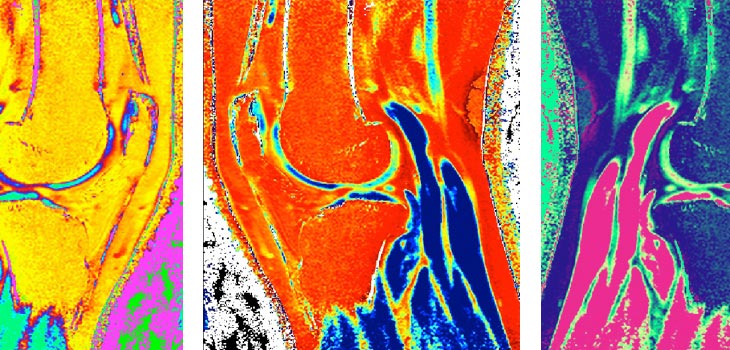
The one-year, Phase 2 clinical trial involved 115 subjects with mild to moderate bilateral patellofemoral osteoarthritis who received four weekly doses of TPX-100. According to the December 15, 2016 news release, “Safety and tolerability of TPX-100 were excellent. While investigational MRI measures of cartilage thickness and volume showed no difference between drug and placebo-treated knees, the majority of standardized, patient-reported measures of knee daily function, quality of life and sports and recreation function as measured by the Knee injury and Osteoarthritis Outcome Scores (KOOS) demonstrated both statistically significant and clinically meaningful improvements in the TPX-100-treated knees as compared to the placebo-treated knees.”
The company’s Chief Medical Officer Dawn McGuire, M.D., stated, “We are very encouraged by the significant and sustained benefits in daily and recreational knee function and overall knee-related quality of life in knees treated with TPX-100. We anticipate that more advanced MRI measures may reveal structure-modifying effects of TPX-100 in subsequent trials, consistent with its effects on articular cartilage repair demonstrated in a large animal model. Improvements at 6 and 12 months in key knee-related outcome measures, ones associated with risk for knee replacement, suggest that TPX-100 improves joint health and may be able to prevent or delay the need for replacement surgery.”
Dr. McGuire told OTW, “The most interesting part of the science is that we found a small segment of a protein the body normally makes can regenerate normal knee cartilage in animals. We suspect, but have not yet proved, that knee cartilage may be regenerated in humans, or that factors important for knee cartilage health are stimulated by TPX-100. What we showed in this study is extremely exciting: knee function improved after TPX-100, not only in routine daily activities involving knee joint movements, but also in activities in sports and recreation. These benefits were significant, not just in terms of statistics, but in terms of meaningfulness to participants in the study; and we saw some benefits sustained for a whole year.”
React:
Discussion
This is a fascinating development. In my practice we've seen similar outcomes with the revised protocol. The key differentiator seems to be patient selection criteria. Has anyone else noticed the correlation with BMI thresholds?
Great point. I'd push back slightly on the conclusion, the sample size in the cited study is too small to draw population-level inferences. That said, the directional signal is compelling and worth a larger RCT.
We implemented a similar approach last year. Early results are promising but we're still gathering 12-month follow-up data. Happy to share our protocol if anyone is interested.
Join the conversation
Orthopedic professionals are discussing this. Sign in and upgrade to read every comment and add your voice.