
Kyocera Medical Corporation, a Japanese manufacturer of implantable systems and advanced ceramic components, has received the U.S. Food and Drug Administration’s 510(k) clearance for its Initia Total Hip System.
Kyocera 510(k) for Initia Total Hip System
1 min read Premium comments
Secondary
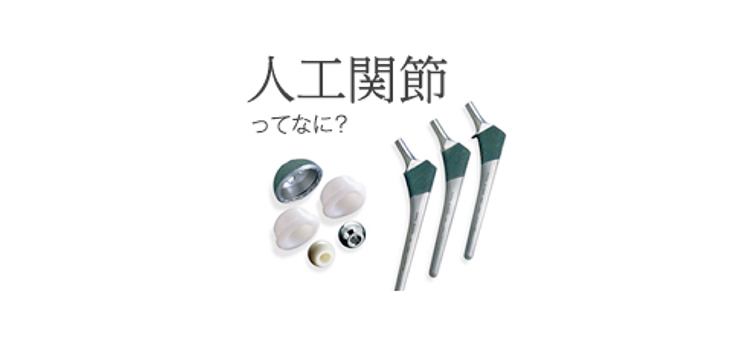
U.S. surgeons collaborated with Kyocera to develop the Initia Total Hip System which makes use of the company’s core technology. That technology is BIOCERAM AZUL® zirconia-toughened alumina ceramic femoral heads. Initia is also available with cobalt chrome femoral heads, giving surgeons the option of ceramic or metal heads matched to highly cross-linked polyethylene acetabular liners.
The product is designed for distribution to a global population. The initial system includes a total of 16 tapered wedge stem sizes, 12 of which are available in the U.S. with both standard and high femoral offsets.
In addition to the Initia Total Hip System, Kyocera Medical makes its BIOCERAM AZUL ceramic material available to medical device original equipment manufacturers who demand a durable, high-quality, biocompatible solution for implantable components.
Kyocera International, Inc., headquartered in San Diego, California, serves as the U.S. sales and marketing arm for Kyocera Medical Corporation. Both companies are wholly owned subsidiaries of Kyoto, a Japan-based Kyocera Corporation.
Author
React:
Discussion
This is a fascinating development. In my practice we've seen similar outcomes with the revised protocol. The key differentiator seems to be patient selection criteria. Has anyone else noticed the correlation with BMI thresholds?
Great point. I'd push back slightly on the conclusion, the sample size in the cited study is too small to draw population-level inferences. That said, the directional signal is compelling and worth a larger RCT.
We implemented a similar approach last year. Early results are promising but we're still gathering 12-month follow-up data. Happy to share our protocol if anyone is interested.
Join the conversation
Orthopedic professionals are discussing this. Sign in and upgrade to read every comment and add your voice.