
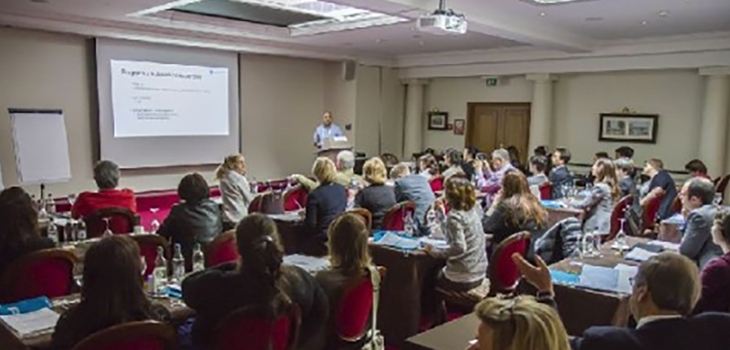
Bone-related genetic disorders got more than a fair shake from researchers recently when the International Osteoporosis Foundation (IOF) hosted its first course on, among other topics, the genetics behind skeletal disease. According to the November 28, 2016 news release, the two-day event, which was limited to 30 individuals, aimed to “give a small group of participants a deeper understanding of rare bone disorders while outlining useful diagnostic strategies and appropriate targeted therapies.”
IOF Holds First Course on Genetic Disorders
1 min read Premium comments
Secondary
Some of the topics addressed were:
- Development, growth, and homeostasis of the skeleton
- The molecular pathology of genetic skeletal disorders: what do you need to make the skeleton, and what can go wrong?
- A diagnostic clinical approach to bone fragility
- Focus on chronic bone pain: could it be a genetic disorder?
- Targeted therapies in genetic skeletal disorders.
Professor Maria Luisa Brandi, M.D., chair of the IOF Skeletal Rare Diseases Working Group, told OTW, “IOF aims to educate doctors in the bone field so that they are better able to diagnosis and offer therapy for skeletal rare diseases worldwide. It is understandable that, since most healthcare providers never see patients with skeletal rare diseases, that there is low awareness and knowledge among doctors about these diseases. This pilot course, which was limited to a small group of very interested applicants to allow for interaction with the experts, is a good start and follows on other IOF initiatives on skeletal rare disease.”
“Orthopaedic surgeons are often the first doctors to see a patient with skeletal problems, but, apart from pediatric bone specialists who have some experience in congenital diseases, the majority of orthopaedists do not suspect nor recognize the pathogenetic causes of a given phenotype—thus limiting their intervention & management to the surgical aspect. This is even more true when the disorder expresses itself at the adult age.”
“We hope that the Course can be continued around the world in the future, taking advantage of the unique platform IOF has built over decades of hard work.”
React:
Discussion
This is a fascinating development. In my practice we've seen similar outcomes with the revised protocol. The key differentiator seems to be patient selection criteria. Has anyone else noticed the correlation with BMI thresholds?
Great point. I'd push back slightly on the conclusion, the sample size in the cited study is too small to draw population-level inferences. That said, the directional signal is compelling and worth a larger RCT.
We implemented a similar approach last year. Early results are promising but we're still gathering 12-month follow-up data. Happy to share our protocol if anyone is interested.
Join the conversation
Orthopedic professionals are discussing this. Sign in and upgrade to read every comment and add your voice.