
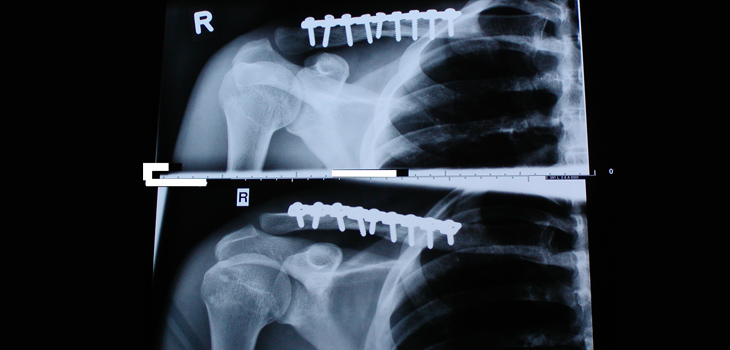
Led by neurostimulators and orthopedic implants, the demand for medical implants overall is expected by analysts who study such matters to reach $116 billion globally by 2022, according to Allied Market Research. Orthopedics, being the largest sector in medicine, also uses the most implants and, according to Allied again, recorded the highest revenue level of all sectors in 2015, owing to an aging population, increasing obesity, osteoarthritis and osteoporosis-related disorders.
Implant Market Forecast to Hit $116 Billion
1 min read Premium comments
Secondary
In 2015 North America led the market and researchers expect that situation to continue. The major factors that Allied Market Research identify as having fueled this demand growth include “technological advancements [such as bioabsorbable stents], the rising incidence of chronic diseases and increasing geriatric population worldwide.”
Say Allied’s experts, if patient awareness and disposable incomes rise in the developing countries, it would further increase the adoption of medical implants. The key factors holding the market back could be the high cost of medical implants and limited insurance coverage.
Author
React:
Discussion
This is a fascinating development. In my practice we've seen similar outcomes with the revised protocol. The key differentiator seems to be patient selection criteria. Has anyone else noticed the correlation with BMI thresholds?
Great point. I'd push back slightly on the conclusion, the sample size in the cited study is too small to draw population-level inferences. That said, the directional signal is compelling and worth a larger RCT.
We implemented a similar approach last year. Early results are promising but we're still gathering 12-month follow-up data. Happy to share our protocol if anyone is interested.
Join the conversation
Orthopedic professionals are discussing this. Sign in and upgrade to read every comment and add your voice.