
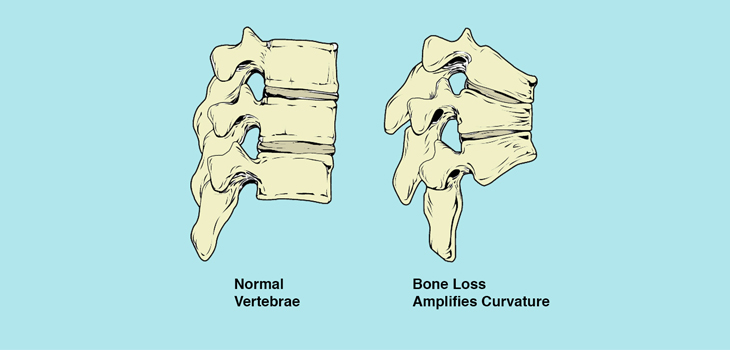
In the quest to eliminate cancer cells, nearby tissues are also affected. Research from Perelman School of Medicine at the University of Pennsylvania (Penn) and the Children’s Hospital of Philadelphia are making progress in the effort to protect neighboring cells. Senior author Ling Qin, Ph.D., an associate professor of Orthopaedic Surgery at Penn, led the team in a study on radiation-induced bone loss in an animal model.
Cancer and Radiation-Induced Bone Loss: Protecting Cells
2 min read Premium comments
Secondary
“Our study showed that activating the Wnt/b-catenin pathway can overcome radiation-induced DNA damage and death of bone-making cells, ” said Dr. Qin in the November 7, 2016 news release. “This study has clinical relevance in that it demonstrates an antibody that can block sclerostin (Scl-Ab), a circulating factor that can inhibit bone formation, can ameliorate radiotherapy-induced osteoporosis.”
Dr. Qin told OTW, “Interestingly this project started from an accidental observation we made several years ago. When Dr. Sherry Liu joined our department in 2009, we decided to combine our expertise to delineate the action of a FDA-approved osteoporosis drug, teriparatide (recombinant human PTH [parathyroid hormone] 1-34), on stimulating new bone formation in living rats using in vivo microCT scans. The initial result was very disappointing. We found that scanning the same trabecular bone region in rat tibiae every other day causes drastic bone loss but daily PTH treatment could prevent such bone loss. Later we realized that microCT is an X-ray irradiator and that repetitive scans actually mimic clinical focal radiotherapy. Literature search and discussion with Dr. Keith Cengel, an radiation oncologist at Penn, revealed to us that loss of bone density and an elevated risk of fracture are problematic late effects of radiotherapy, one of the most popular approaches for cancer treatment. With the ever-increasing survival rate and longevity of cancer patients, understanding the mechanism of radiation-induced bone loss and identifying preventive or curative treatments are of greater clinical significance than ever before. This is how we started our research.”
“I found the most interesting part is our novel finding that anti-sclerostin antibody (Scl-Ab) alleviates radiation-induced bone loss by protecting mesenchymal progenitors, osteoblasts, and osteocytes via distinct mechanisms. In particular, Scl-Ab stimulates DNA repair mechanism in osteoblasts and osteocytes to avoid their cell death fate after radiation.”
“To treat radiation-induced bone damage, we must restore bone formation ability in the irradiated area. Our data showed that bone damage resulting from clinically relevant focal radiation is mainly due to its inhibitory effects on bone formation, rather than an over-activation of bone resorption. This cellular mechanism reinforces the concept that any effective therapy must be directed at preserving bone-forming activity than suppressing bone resorptive activity. Scl-Ab, which just passed a phase 3 clinical trial for postmenopausal patients, is effective in alleviating radiation-induced bone damage. That being said, more studies, including human studies, are required before translating this treatment into a clinical application.”
React:
Discussion
This is a fascinating development. In my practice we've seen similar outcomes with the revised protocol. The key differentiator seems to be patient selection criteria. Has anyone else noticed the correlation with BMI thresholds?
Great point. I'd push back slightly on the conclusion, the sample size in the cited study is too small to draw population-level inferences. That said, the directional signal is compelling and worth a larger RCT.
We implemented a similar approach last year. Early results are promising but we're still gathering 12-month follow-up data. Happy to share our protocol if anyone is interested.
Join the conversation
Orthopedic professionals are discussing this. Sign in and upgrade to read every comment and add your voice.