
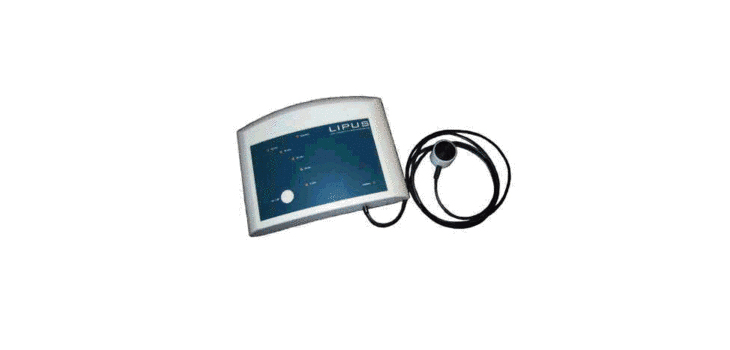
It may have seemed like a good idea at the time—using low intensity ultrasound (LIPUS) to help heal broken bones. Except that, according to a study led by McMaster University researchers, it did not work. “LIPUS is commonly used in North America to accelerate fracture healing— generating about $250 million in sales a year”—said principal investigator Jason Busse, Ph.D., a researcher in McMaster’s Institute for Pain Research and Care. “But there has been no clear evidence of benefit to support its use.”
Ultrasound to Heal Fractures a Waste, Reports Study
1 min read Premium comments
Secondary
The study, which was called TRUST, enrolled 501 patients who each had a surgical repair of a lower leg fracture between the years 2008 and 2012. They were treated at 43 academic trauma centers. Researchers found no difference in recovery time between patients with a fractured shinbone getting the popular ultrasound treatment after surgery and those given a placebo.
The Canadian Institutes of Health Research and Smith & Nephew plc provided the funding for the study. Researchers followed the patients for 12 months or until X-rays revealed that their fractures had healed.
Author
React:
Discussion
This is a fascinating development. In my practice we've seen similar outcomes with the revised protocol. The key differentiator seems to be patient selection criteria. Has anyone else noticed the correlation with BMI thresholds?
Great point. I'd push back slightly on the conclusion, the sample size in the cited study is too small to draw population-level inferences. That said, the directional signal is compelling and worth a larger RCT.
We implemented a similar approach last year. Early results are promising but we're still gathering 12-month follow-up data. Happy to share our protocol if anyone is interested.
Join the conversation
Orthopedic professionals are discussing this. Sign in and upgrade to read every comment and add your voice.