
Here is a story you don’t see every day. Or maybe ever.
Post-Op Large Joint Patients Perform Talent Show
1 min read Premium comments
Secondary
The healing power of music and dance. In the hospital.
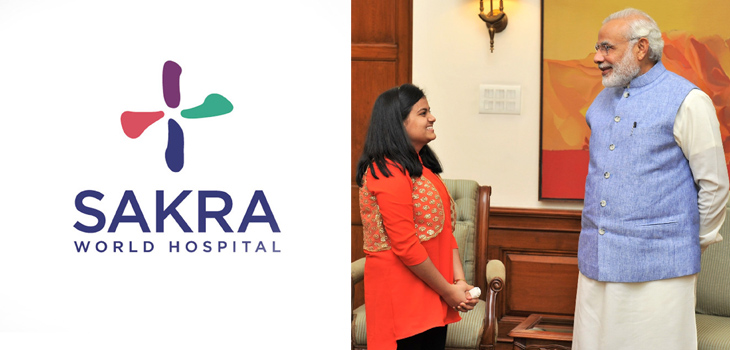
The administrators of the Sakra World Hospital in Bengauru, India, decided to ask their joint replacement patients to put on a talent show—post operatively.
The purpose was to create an awareness in the surrounding community about osteoarthritis and how to deal with it. Osteoarthritis does NOT mean that life is over. Indeed, with the proper treatment…patients can dance, sing and stage a talent show!
Osteoarthritis affects over 15 million adults in India every year. One in two develops knee osteoarthritis. An Indian reporter predicted that India might become the world capitol of osteoarthritis by the year 2025 with over 60 million cases.
So, the large joint patients of Sakra World Hospital in Bengauru did, indeed, put on a Talent Show. There were singers, dancers, yoga performers and recitations of poetry. The common theme in all of the patients’ performances was a recital of their past suffering with the debilitating condition of osteoarthritis, who now have started life afresh as a result of their joint replacement surgery.
“It is indeed a privilege to be a part of this unique initiative by Sakra World Hospital. The event has showcased that Osteoarthritis is not end of our lives. It gives hope to the millions of people who day in and day out suffer from this condition. I applauded Dr. Chandrashekar P. and all the participants for putting up an amazing performance and inspiring us” said popular Sandlewood actor Ramesh Arvind.
This is a very hopeful story and, perhaps, will serve as an inspiration to hospitals and clinics in the United States. We look forward to announcements regarding patient led talent shows.
Go patients go!
Author
React:
Discussion
This is a fascinating development. In my practice we've seen similar outcomes with the revised protocol. The key differentiator seems to be patient selection criteria. Has anyone else noticed the correlation with BMI thresholds?
Great point. I'd push back slightly on the conclusion, the sample size in the cited study is too small to draw population-level inferences. That said, the directional signal is compelling and worth a larger RCT.
We implemented a similar approach last year. Early results are promising but we're still gathering 12-month follow-up data. Happy to share our protocol if anyone is interested.
Join the conversation
Orthopedic professionals are discussing this. Sign in and upgrade to read every comment and add your voice.