
Remember, silk is 75% protein.
3D Printed SILK for Devices and Implantables
2 min read Premium comments
Secondary
And now a research team working with the Rural Development Administration (RDA) in Korea has produced a novel bio 3D printing system which uses silk as the raw material for making medical devices.
Why not?
Silk’s tensile strength is comparable to that of high-grade alloy steel (450 – 2000 MPa). The combination of strength and ductility gives silk a very high toughness (or work to fracture) equal to that of commercial nylon filaments. In fact, the toughest known spider silk is over 10 times tougher than Kevlar. (Source: Wikipedia)
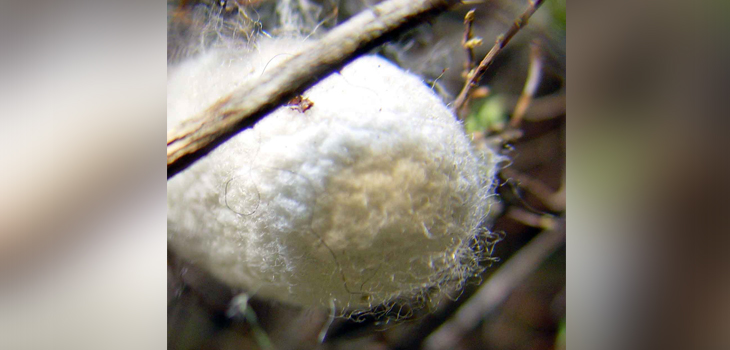
The 3D printing system for silk was developed by a team from the RDA and Hallym University. According to the Korea Bizwire writer Joseph Shin, silk is a natural protein fiber obtained from the cocoons of the silk worm. Seventy-five percent of it is composed of fibroin, a type of protein that, because of its biocompatibility, can be used to make medical devices and implantables.
The team developed a “silk ink” for 3D printing and used the ink to manufacture orthopedic implants including plates, screws, and clips—all devices that are routinely implanted to help stabilize and support the musculoskeletal system.
The most commonly used materials for implantable orthopedic devices are, of course, PEEK, stainless steel or titanium alloy. Each, of course, has its plusses and minuses.
The Korean research team believes that the Bio 3D Silk-Printing System brings together the best of both metal and polymer while having the added dimension of being a natural material. Devices made using the silk 3D printing system proved to be durable and stable, as well as degradable.
The cost of production is roughly half that of synthetic polymer, according to the team.
Furthermore, the technology allows personalized production, so implants can be manufactured for curved areas such as the skull and cheekbones. Animal tests also proved the effectiveness of the silk-made plates in inosculating bones, while not inducing inflammation or foreign body reactions.
“Once the technology becomes commercialized, it will allow for the production of a greater variety of biocompatible silk medical equipment, which will help improve national health while developing Korea’s sericulture industry, ” said an RDA official.
Author
React:
Discussion
This is a fascinating development. In my practice we've seen similar outcomes with the revised protocol. The key differentiator seems to be patient selection criteria. Has anyone else noticed the correlation with BMI thresholds?
Great point. I'd push back slightly on the conclusion, the sample size in the cited study is too small to draw population-level inferences. That said, the directional signal is compelling and worth a larger RCT.
We implemented a similar approach last year. Early results are promising but we're still gathering 12-month follow-up data. Happy to share our protocol if anyone is interested.
Join the conversation
Orthopedic professionals are discussing this. Sign in and upgrade to read every comment and add your voice.