
Prevention programs are effective at reducing the risk of ankle injuries by 40% in soccer players, according to a new study appearing in a recent issue of The Journal of Bone and Joint Surgery.
Soccer: Prevention Decreases Ankle Injuries by 40%!
2 min read Premium comments
Secondary
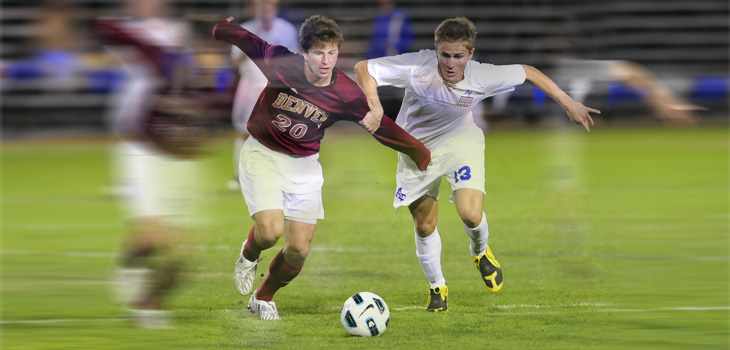
Injuries to the lower extremities are the most common in soccer. According to the Consumer Product Safety Commission (CPSC), more than 227, 700 people were treated for soccer-related injuries in 2015, including more than 36, 300 with ankle injuries. These injuries can be traumatic, often sidelining players from the game for weeks or months.
Several prevention programs have been developed to address this concern. In a new analysis, researchers reviewed the data from 10 randomized controlled studies on ankle injury prevention programs, involving 4, 121 female and male soccer players.
“This is the first study of its kind on ankle injuries in soccer athletes to strongly support injury prevention programs to reduce ankle injuries, ” said lead study author and orthopedic surgeon Nathan Grimm, M.D., in the September 7, 2016 news release. “In our analysis, we were able to review the results from multiple studies, and make conclusions we could not make from any one study by itself.”
The studies included neuromuscular, proprioceptive (balance), strengthening, and stretching exercises to prevent ankle injuries. They did not include bracing, taping or other external supports.
“This new data can be used by clinicians to provide evidence-based recommendations to their patients, ” explained Dr. Grimm. “It can also be used by coaches who wish to implement programs that will decrease the risk of injuries in athletes, and by the athletes who are trying to make the decision about participating in an injury prevention program.”
Asked what is the most important advice that you could give to coaches, Dr. Grimm told OTW, “Based off of our analysis the most important advice that I would give coaches would be to consider implementing an injury prevention program into their practice/training sessions for their athletes. We now have strong evidence to suggest that injury prevention programs for soccer athletes are effective at preventing both knee and now ankle injuries as well. FIFA [Federation Internationale de Football Association] has already developed such a program, called the FIFA 11+, and currently recommends the use of this in their soccer athletes. Although we don’t know specifically what elements of the injury prevention programs is the most effective at reducing injury (e.g. strength, proprioception, neuromuscular training, etc.), there is more and more compelling evidence that a neuromuscular component to training can reduce injuries.
“We now have strong Level 1 evidence, from well-designed randomized controlled trials to suggest that injury prevention programs in our soccer athletes can be prevented by ~ 40%. We can now provide our patients with evidence-based recommendations on participation in such a program to reduce the risk of a potential ankle injury in these athletes.”
React:
Discussion
This is a fascinating development. In my practice we've seen similar outcomes with the revised protocol. The key differentiator seems to be patient selection criteria. Has anyone else noticed the correlation with BMI thresholds?
Great point. I'd push back slightly on the conclusion, the sample size in the cited study is too small to draw population-level inferences. That said, the directional signal is compelling and worth a larger RCT.
We implemented a similar approach last year. Early results are promising but we're still gathering 12-month follow-up data. Happy to share our protocol if anyone is interested.
Join the conversation
Orthopedic professionals are discussing this. Sign in and upgrade to read every comment and add your voice.