
Can the use of a pulsed electromagnetic field (PEMF) to treat osteoarthritis (OA) of the knee reduce the need for surgery?
Orthofix Tests Physio-Stim on First OA Knee Patient
2 min read Premium comments
Secondary
Orthofix International N.V. hopes so and has enrolled the first patient in a study evaluating the use of PEMF technology for the first disease-modifying treatment for OA of the knee.
The purpose of the study, according to a September 12, 2016 company announcement, is to assess the efficacy and safety of the company’s Physio-Stim system in reducing inflammation and restoring homeostasis of the extracellular matrix, potentially providing symptomatic relief of OA pain, reducing cartilage breakdown and stimulating new cartilage formation.
The company expects that preservation or restoration of joint structure together with reduction of inflammation would improve symptoms and reduce the need for surgical intervention.
The patient was enrolled by Roy Aaron, M.D., professor at Brown University in Providence, Rhode Island. Aaron said finding new solutions for OA of the knee is important, “as these patients not only suffer from pain, they often have a high level of disability from the disease and often seek costly surgical solutions. We are hopeful that active PEMF stimulation may provide us with a new non-invasive treatment approach that could help patients with knee OA avoid surgery and improve their overall quality of life.”
According to the company, the study is a prospective, randomized, double-blind, placebo-controlled feasibility trial that will enroll approximately 150 patients who are 40 years of age or older at three sites in the U.S. These include Brown University School of Medicine, Sinai Hospital of Baltimore in Baltimore, Maryland and the Cleveland Clinic in Cleveland, Ohio. Study participants will be randomized in a two-to-one ratio to either an active or placebo control (inactive) device and followed for 12 months after initiation of treatment.
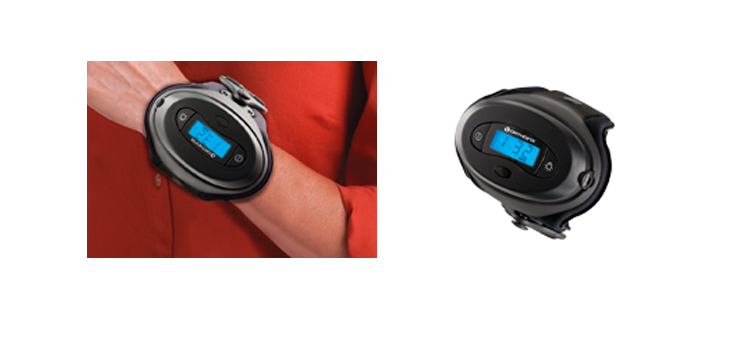
Orthofix’s Physio-Stim device is currently approved by the FDA for the treatment of nonunion fractures. The device uses a low-level electromagnetic field that the company says helps activate and augment the body’s natural healing process. Use in the study is investigational and is being conducted under an Investigational Device Exemption (IDE) from the FDA. More information is available at ClinicalTrials.gov.
Back in February, the company announced positive results of a cellular study designed to determine how PEMF therapy affects gene expression of intervertebral discs (IVD) cells in normal and inflammatory environments. The study, published online in The Spine Journal, indicated PEMF therapy “may reduce cellular inflammation and degradation associated with disc degeneration in human IVD cells.”
Author
React:
Discussion
This is a fascinating development. In my practice we've seen similar outcomes with the revised protocol. The key differentiator seems to be patient selection criteria. Has anyone else noticed the correlation with BMI thresholds?
Great point. I'd push back slightly on the conclusion, the sample size in the cited study is too small to draw population-level inferences. That said, the directional signal is compelling and worth a larger RCT.
We implemented a similar approach last year. Early results are promising but we're still gathering 12-month follow-up data. Happy to share our protocol if anyone is interested.
Join the conversation
Orthopedic professionals are discussing this. Sign in and upgrade to read every comment and add your voice.