
Intralink-Spine, Inc. (ILS) is reporting “extremely positive clinical results” for its Rejuve System, a device that addresses low back pain.
Intralink-Spine: Early Positive Results for Rejuve
2 min read Premium comments
Secondary
As indicated in the August 30, 2016 news release, the device was, “Initially conceived by Tom Hedman, Ph.D. while an Associate Professor at the University of Southern California, the Réjuve device provides almost immediate mechanical support and stabilization to the spinal joint by the addition of numerous molecular bonds, which act as cross-ties in the tissue matrix…”
Dr. Hedman, now the Chief Scientific Officer for ILS and Adjunct Associate Professor in the F. Joseph Halcomb III, M.D. Department of Biomedical Engineering, stated “Four chronic low back pain patients were treated by orthopedic surgeon Dr. Harwant Singh at Pantai Medical Center (Kuala Lumpur, Malaysia) in an NMRR [National Medical Research Register] registered clinical safety study. Each of the four patients are pleased with their treatment and continue to have positive results at the 1-month juncture.”
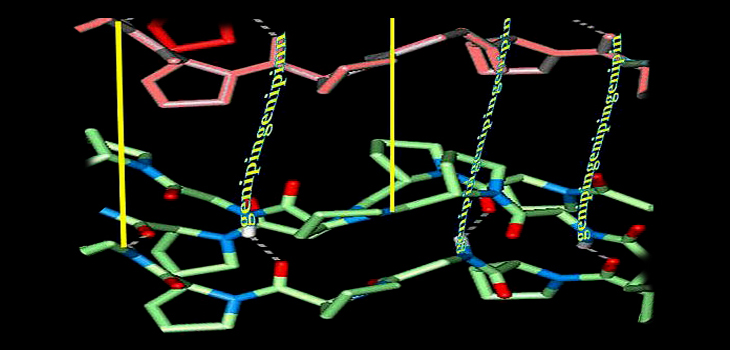
Asked about the ‘cross-tying’ effect, Dr. Hedman told OTW, “This device provides strength to the intervertebral disc tissues and stability to the joint by the formation of intermolecular and intramolecular covalent bonds throughout the tissue extracellular matrix. Covalent bonds involve the sharing of electron pairs between atoms, and are therefore considered strong, stable, and long-lasting bonds. In the Rejuve system, these bonds or ‘cross-ties’ are created by a plant-derived, low-toxicity protein crosslinker called genipin. The right way to visualize this cross-tying effect is to imagine a partially disrupted network of collagen molecules which are stabilized and strengthened by naturally-occurring collagen crosslinks. The Rejuve system then adds numerous additional crosslinks to the collagen matrix, dramatically increasing the strength and tear-resistance of the tissue, while also providing additional constraints to a load-supporting tissue that has been made unstable by degradation.
“This is not a ‘mystery mechanism of action, ’ short-lived treatment like many micro-invasive ‘solutions’ of the recent past, but one where the many beneficial effects have been examined and quantified by 18 years of research, with over 30 peer-reviewed basic and applied science papers. The treatment addresses the core problems associated with degenerative disc disease and low back pain, and unlike biological approaches, it is not hindered by the deficient biological environment of the degenerative disc, but instead follows the natural pathway of augmenting the crosslinks in the tissue matrix to provide strength and stability to the disc tissue and intervertebral joint. Now we also have confirmed that it can have an immediate impact on pain.
“This is the first of several orthopaedic soft-tissue applications of our core technology that we hope to introduce. We have demonstrated the ability to release this crosslinker from a coating on a suture or other orthopaedic device, thereby providing substantial resistance to tearing and gapping of the surrounding tissue. We see this technology making a vital difference in knee meniscus repairs, Achilles tendon and rotator cuff repairs.
“While this spinal innovation could provide a revolutionary leap forward for chronic low back pain patients, it might also pose a challenge to orthopedists to have a competitive level of expertise with regard to image-guided micro-invasive procedures.”
React:
Discussion
This is a fascinating development. In my practice we've seen similar outcomes with the revised protocol. The key differentiator seems to be patient selection criteria. Has anyone else noticed the correlation with BMI thresholds?
Great point. I'd push back slightly on the conclusion, the sample size in the cited study is too small to draw population-level inferences. That said, the directional signal is compelling and worth a larger RCT.
We implemented a similar approach last year. Early results are promising but we're still gathering 12-month follow-up data. Happy to share our protocol if anyone is interested.
Join the conversation
Orthopedic professionals are discussing this. Sign in and upgrade to read every comment and add your voice.