
An invented-in-Australia device, called the Oska Pulse, is making its debut from its San Diego, California, base with the claim that it is the first of its kind of wearable, pain-relief devices designed for individuals suffering from chronic pain.
Wearable Electronic Device Eases Pain
1 min read Premium comments
Secondary
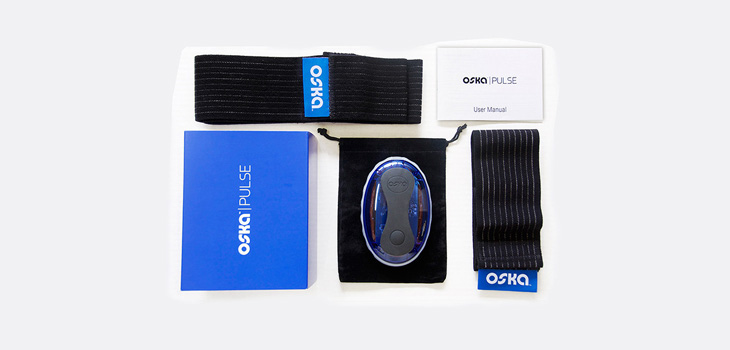
The manufacturer, Oska Wellness, describes the device as a being a small, portable device that safely optimizes pulsed electromagnetic field therapeutic technology for the relief of pain.
A supporter, Joseph Shurman, M.D., anesthesiologist and chairman of pain management at Scripps Memorial Hospital in La Jolla, California, endorses the Oska Pulse and applauds its capabilities. He said, “Pain management is about easing the suffering and improving well being and quality of life and function. As a physician I am constantly trying non-invasive, drug free pain management solutions. I like the fact that the Oska Pulse is easy to use and has no known side effects. I am recommending the Oska Pulse to some of my patients. I believe it can offer general relief and well being to many pain sufferers.”
Oska Pulse comes with a specially designed compression wrap that can be worn under or over garments. The company reports that when the product is “in session” a pulsing blue light appears around the perimeter of the device for 30 seconds. Wearers, they report, will have no sensation.
The U.S. Food and Drug Administration has not evaluated the Oska Pulse. Officials of the parent company, Oska Wellness, say the device is the result of 25 years of effort by scientists and researchers working to engineer health and wellness technologies to treat pain. They do not claim the product can be used to treat, cure or prevent any medical condition. Oska Wellness Chairman Leslie Cross is former chairman and CEO of DJO Global, a manufacturer and worldwide distributor of electrotherapy products for pain, therapy and rehabilitation. Cross says that he suffers from chronic pain and joined the company after using the product for a few days. “My pain was gone without taking any medication, ” he said.
Author
React:
Discussion
This is a fascinating development. In my practice we've seen similar outcomes with the revised protocol. The key differentiator seems to be patient selection criteria. Has anyone else noticed the correlation with BMI thresholds?
Great point. I'd push back slightly on the conclusion, the sample size in the cited study is too small to draw population-level inferences. That said, the directional signal is compelling and worth a larger RCT.
We implemented a similar approach last year. Early results are promising but we're still gathering 12-month follow-up data. Happy to share our protocol if anyone is interested.
Join the conversation
Orthopedic professionals are discussing this. Sign in and upgrade to read every comment and add your voice.