
Every 13 seconds, an older adult is treated in the emergency room for a fall. Every 20 minutes, an older adult dies from a fall-related trauma. Responding to this data, staff at Carnegie Mellon University’s College of Engineering conducted a survey on falls among the elderly. They discovered that Americans are very worried about elderly parents falling.
Sensor Technology Takes on Risk of Elderly Falls
1 min read Premium comments
Secondary
The researchers learned that 54% of 1, 900 surveyed U.S. adults are worried about an older parent falling, and that 81% of respondents expressed an interest in new sensor technology that can anticipate and prevent falls.
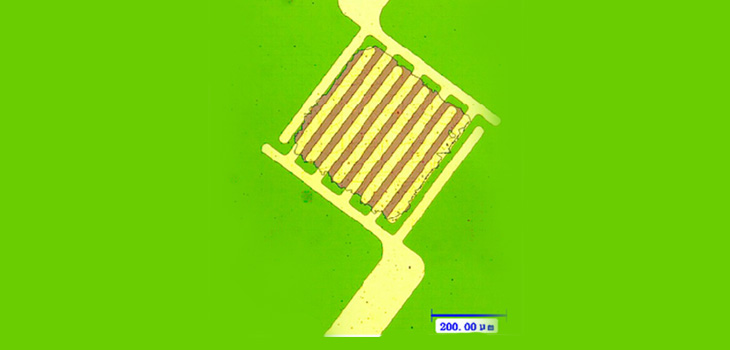
To deal with falling risk researchers at Carnegie Mellon are developing sensor technology for senior care facilities and private homes that can sense and issue a signal when a patient is in danger of falling and where they are located in the building.
According to Susan D. Hall, writing for Fierce IT, the technology being developed monitors an elderly person’s gait and sends alerts to that individual and to caregivers about the potential for a fall. Hall also reports that Italian researchers have developed a smart home system featuring wearables, a real-time fall-detection algorithm and shoe-based activity monitoring to help prevent falls in elderly patients.
Researchers at Carnegie Mellon believe that the technology, once in place, has the potential to help the elderly live more independent lives.
Author
React:
Discussion
This is a fascinating development. In my practice we've seen similar outcomes with the revised protocol. The key differentiator seems to be patient selection criteria. Has anyone else noticed the correlation with BMI thresholds?
Great point. I'd push back slightly on the conclusion, the sample size in the cited study is too small to draw population-level inferences. That said, the directional signal is compelling and worth a larger RCT.
We implemented a similar approach last year. Early results are promising but we're still gathering 12-month follow-up data. Happy to share our protocol if anyone is interested.
Join the conversation
Orthopedic professionals are discussing this. Sign in and upgrade to read every comment and add your voice.