
The FDA is proposing to classify posterior cervical screw systems into class II (special controls) and to continue to require premarket notification to provide a reasonable assurance of safety and effectiveness of the device. You’ve got until June 8, 2016 to tell them what you think about that.
FDA Proposes to Classify Posterior Screw Systems
1 min read Premium comments
Secondary
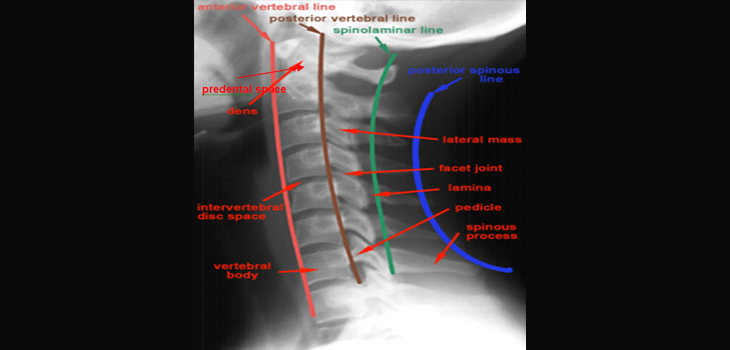
A posterior cervical screw system is a device used to provide immobilization and stabilization in the cervical spine as an adjunct to spinal fusion surgery. The term “posterior cervical screw systems” is used to distinguish these devices from currently classified pedicle screw spinal systems cleared for use in other spinal regions.
The regulatory history of posterior cervical screw systems arose from that of pedicle screw spinal systems.
After the enactment of the Medical Device Amendments of 1976, the FDA commenced to identify and classify all pre-amendments device. The agency classified a total of 77 generic types of orthopedic devices. Neither pedicle screw spinal systems nor posterior cervical screw systems were identified in this initial effort.
In July 1998, the FDA issued a final rule classifying pedicle screw spinal systems as class II devices. The FDA noted that pedicle screw systems for some uses in the cervical spine (which are now referred to as posterior cervical screw systems) were in use prior to 1976 and are therefore considered preamendments devices.
Since 2001, the FDA has regulated posterior cervical screw systems as unclassified pre-amendments devices requiring premarket notification (510(k)).
In April 2009, the agency published an order for the submission of safety and effective information on pedicle screw spinal systems with certain indications for use. In response, the Orthopedic Surgical Manufacturers Association (OSMA) requested that the agency classify posterior cervical screw systems into class II.
The agency then consulted with the Orthopaedic and Rehabilitation Devices Panel in September 2012. The Panel recommended that posterior cervical screw systems be classified as class II with special controls.
You can submit either electronic or written comments the agency. Click here for instructions on how to submit comments.
Author
React:
Discussion
This is a fascinating development. In my practice we've seen similar outcomes with the revised protocol. The key differentiator seems to be patient selection criteria. Has anyone else noticed the correlation with BMI thresholds?
Great point. I'd push back slightly on the conclusion, the sample size in the cited study is too small to draw population-level inferences. That said, the directional signal is compelling and worth a larger RCT.
We implemented a similar approach last year. Early results are promising but we're still gathering 12-month follow-up data. Happy to share our protocol if anyone is interested.
Join the conversation
Orthopedic professionals are discussing this. Sign in and upgrade to read every comment and add your voice.