
The FDA has granted additional indications to K2M Holdings, Inc. to treat the cervical spine.
FDA Expands Indications for K2M’s Mesa and Denali Systems
1 min read Premium comments
Secondary
On April 6, 2016, the company announced that it received 510(k) clearance from the FDA to expand indications of its Mesa and Denali Mini Spinal Systems.
The systems function as adjuncts to fusion, providing stabilization of the posterior cervical and thoracic spine. Both systems, according to the company, were previously cleared for use in the posterior thoracic spine, from T1-T3. The new clearance now allows for the systems to be used in the posterior cervical spine, from C1-C7, in addition to the thoracic spine.
Eric Major, the company’s president and CEO, said the new clearance “reinforces the clinical effectiveness of posterior cervical screws, differentiates K2M from our competitors in the complex spine cervical markets that currently lack this important regulatory indication, and clears the path for our future development of innovative technologies to treat spinal conditions in the posterior cervical spine.”
According to the announcement, the systems are “comprehensive, 3.5 mm diameter rod systems that offer all-inclusive answers for rigid posterior fixation of the cervico-thoracic regions of the spine. The systems feature multiple hook and rod options, and innovative instrument technology to facilitate more efficient intraoperative use of the systems.”
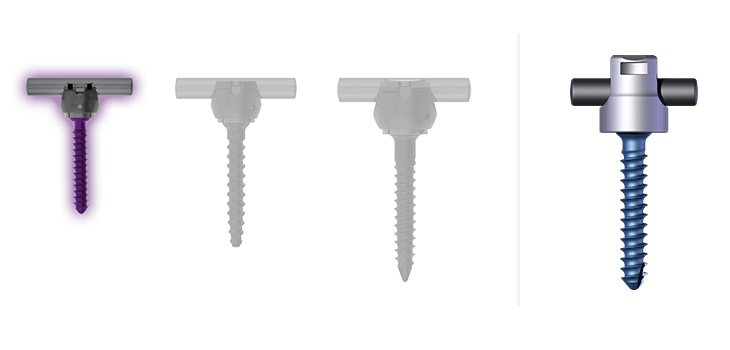
Both systems were developed using K2M’s Mesa technology. The Mesa Mini features low-profile, 90° range of motion cervical and thoracic screws and Zero-Torque Technology, which offers surgeons the ability to one-step lock without applying torsional stress to the spine. The Denali Mini implants feature top-loading, 50° polyaxial range of motion cervical and thoracic pedicle screws that incorporate a low-volume design and offer off-axis height adjustment.
Author
React:
Discussion
This is a fascinating development. In my practice we've seen similar outcomes with the revised protocol. The key differentiator seems to be patient selection criteria. Has anyone else noticed the correlation with BMI thresholds?
Great point. I'd push back slightly on the conclusion, the sample size in the cited study is too small to draw population-level inferences. That said, the directional signal is compelling and worth a larger RCT.
We implemented a similar approach last year. Early results are promising but we're still gathering 12-month follow-up data. Happy to share our protocol if anyone is interested.
Join the conversation
Orthopedic professionals are discussing this. Sign in and upgrade to read every comment and add your voice.