
A company called AliveCor, Inc. has produced a band for an Apple Watch that captures an EKG. The EKG is analyzed by a machine to detect trial fibrillation, a common cause of cardiac arrhythmia and a major cause of stroke. The firm is awaiting a 510(k) clearance from the FDA before launching the product commercially.
Apple Watch Band Records EKG
1 min read Premium comments
Secondary
According to the company, a user can send a relevant EKG to his/her doctor, along with a voice memo regarding symptoms and any relevant external factors via the Apple Watch. Called the Kardia Band, the device integrates with the Apple Health app to have EKG data alongside information such as the number of steps taken and calorie intake.
AliveCor CEO Vic Gundotra told FierceMedicalDevices, “People have incredible amounts of data that they are carrying around on their wrist. Now, you can have our EKG device right on your wrist when you need it. We required a technical breakthrough to build it and make it this small.”
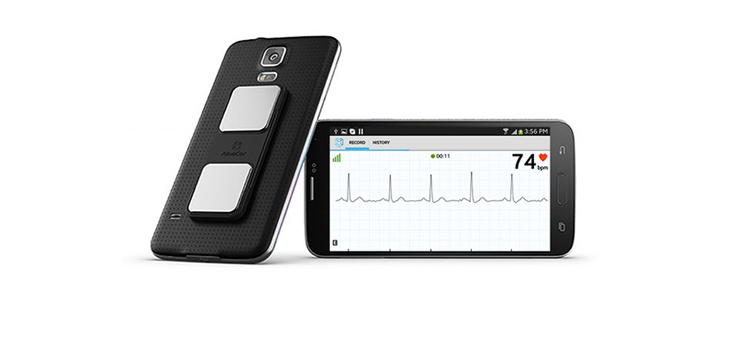
In addition to the band, AliveCor has rebranded its existing EKG device that attaches to the back of smartphones and tablets such as Kardia Mobile. Company officials report that the accompanying app has been upgraded to enable the patient to make a voice recording to describe symptoms and other relevant information that can accompany an EKG when it is sent to a physician.
Author
React:
Discussion
This is a fascinating development. In my practice we've seen similar outcomes with the revised protocol. The key differentiator seems to be patient selection criteria. Has anyone else noticed the correlation with BMI thresholds?
Great point. I'd push back slightly on the conclusion, the sample size in the cited study is too small to draw population-level inferences. That said, the directional signal is compelling and worth a larger RCT.
We implemented a similar approach last year. Early results are promising but we're still gathering 12-month follow-up data. Happy to share our protocol if anyone is interested.
Join the conversation
Orthopedic professionals are discussing this. Sign in and upgrade to read every comment and add your voice.