
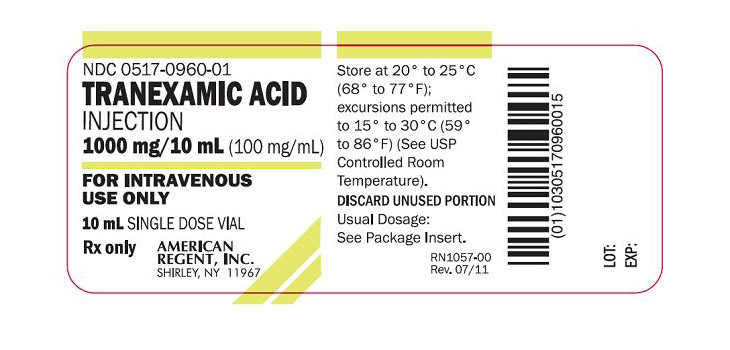
Blood loss and the need for a blood transfusion are major concerns in joint replacement surgery. But a new use for an old drug is proving effective in reducing blood loss and transfusion rates, according to a study at Hospital for Special Surgery (HSS). The drug, tranexamic acid, or TXA, has been used for decades in heart surgery, to treat hemophilia and to stop excessive uterine bleeding.
Study Reveals New Use for Old Drug
2 min read Premium comments
Secondary
For their study, investigators reviewed the records of 4, 449 patients who had hip or knee replacement over a six-month period. There were 720 patients who received tranexamic acid topically, 636 who received it intravenously, and 3, 093 patients who received no TXA.
Researchers found that 9.7% of patients who received TXA received a blood transfusion, compared to 22.1% of those patients who did not receive it. Patients who were not given TXA received an average of 0.37 units of blood compared to 0.13 units for patients who received the drug. There was no significant difference in effect between topical and intravenous administration of TXA.
After reviewing the patient records, the HSS researchers determined that TXA was safe and effective, reducing the need for a blood transfusion by more than 50%. They presented their study, “Topical versus Intravenous Tranexamic Acid in Hip and Knee Arthroplasty: Efficacy and Safety” at the annual meeting of the American Academy of Orthopaedic Surgeons (AAOS) on March 1 in Orlando, Florida.
“We launched the study, as conflicting results have been published regarding the use of TXA in patients undergoing hip and knee replacement, ” said Geoffrey Westrich, M.D., senior study author and director of research, Adult Reconstruction and Joint Replacement Service at Hospital for Special Surgery. “There was also concern regarding a potential increased risk of a blood clot, although previous studies have shown this drug to be safe.”
TXA is classified as an “anti-fibrinolytic, ” or blood clot stabilizer, that reduces bleeding. Westrich noted that intravenous TXA should not be used in patients who have a cardiac stent or in those who have had a previous blood clot.
“At our institution, TXA in either intravenous or topical form was effective in decreasing the amount of blood transfusions, as well as the number of units of blood transfused in primary and revision hip and knee replacement, ” Westrich noted. “Furthermore, when safety was evaluated, there was no statistically significant difference in blood clots in patients who received IV or topical TXA, reconfirming its safety.” The AAOS publication EurekaAlert reported the study.
Author
React:
Discussion
This is a fascinating development. In my practice we've seen similar outcomes with the revised protocol. The key differentiator seems to be patient selection criteria. Has anyone else noticed the correlation with BMI thresholds?
Great point. I'd push back slightly on the conclusion, the sample size in the cited study is too small to draw population-level inferences. That said, the directional signal is compelling and worth a larger RCT.
We implemented a similar approach last year. Early results are promising but we're still gathering 12-month follow-up data. Happy to share our protocol if anyone is interested.
Join the conversation
Orthopedic professionals are discussing this. Sign in and upgrade to read every comment and add your voice.