
Kenneth Zaslav, M.D., of Advanced Orthopaedics, Richmond, Virginia, performed the first meniscus replacement procedure in the state. Advanced Orthopaedics is one of ten sites nationwide that are participating in the Active Implants LLC’s VENUS (Verification of the Effectiveness of the NUsurface® System) trial. The trial is enrolling patients with persistent knee pain caused by injured or deteriorating meniscus cartilage to assess the safety and effectiveness of the investigational implant when compared to a non-surgical standard of care.
Meniscus Study Has Virginia Participant
1 min read Premium comments
Secondary
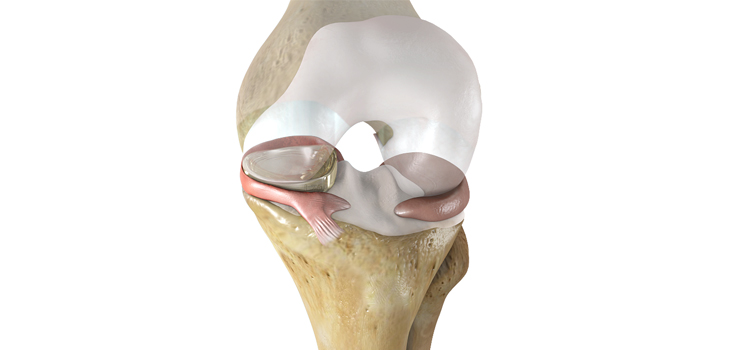
The meniscus is tissue is located between the thigh and shin bones, which once it is damaged, has a limited ability to heal. More than one million partial meniscectomies to remove or repair torn meniscus are performed in the U.S. every year. The outcomes are not always good—many patients continue to experience persistent knee pain following meniscus surgery.
Business Wire quoted Zaslav as saying, “There aren’t many options for patients who experience persistent knee pain following meniscus surgery but are too young for knee replacement surgery. We hope the VENUS study finds that NUsurface alleviates pain in these patients, as well as helps them delay or avoid knee replacement surgery.”
NUsurface is inserted into the knee joint through a small incision. Patients usually go home soon after the operation and then undergo a six-week rehabilitation program. NUsurface has been used in Europe since 2008 and Israel since 2011, according to Business Wire.
The VENUS study will enroll approximately 130 patients at orthopedic centers in the U.S., Europe and Israel. Sites in the U.S. include Indiana (Indianapolis), Massachusetts (Boston), New York (Albany, Rochester and New York), North Carolina (Durham), Ohio (Columbus), Tennessee (Memphis) and Virginia (Richmond). Participants who meet study requirements are randomized to receive either NUsurface or non-surgical treatment, which is the current standard of care for patients with persistent knee pain following meniscus surgery.
Author
React:
Discussion
This is a fascinating development. In my practice we've seen similar outcomes with the revised protocol. The key differentiator seems to be patient selection criteria. Has anyone else noticed the correlation with BMI thresholds?
Great point. I'd push back slightly on the conclusion, the sample size in the cited study is too small to draw population-level inferences. That said, the directional signal is compelling and worth a larger RCT.
We implemented a similar approach last year. Early results are promising but we're still gathering 12-month follow-up data. Happy to share our protocol if anyone is interested.
Join the conversation
Orthopedic professionals are discussing this. Sign in and upgrade to read every comment and add your voice.