
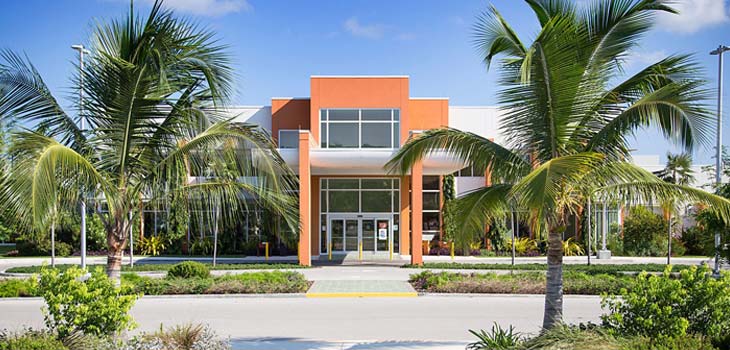
Health City, a hospital in Grand Cayman, has opened an office in Hamilton, Ontario, to lure Canadians on waiting lists for—among other surgeries—hip and knee joint replacements.
Grand Cayman Hospital Lures Canadians for Surgery
1 min read Premium comments
Secondary
According to the Ontario Ministry of Health, the average wait time for hip replacement surgery is almost 200 days from when a surgeon orders the operation for patients in and around Hamilton, Ontario.
“In a perfect world, we would be able to meet the demands of Canadians needing surgery here in Canada in a timely manner, ” Canadian anesthesiologist Cynthia Horner, M.D., said in a press release. “Given our current climate, this is becoming more difficult, and Canadians are choosing to look for other options. For those patients who choose to travel abroad for health services, Health City Cayman Islands is a great option, ” she said.
According to an article in the Cayman Compass, Health City opened in 2014 intending to break into the North American medical tourism market. The organization planned to provide patients in the United States a less expensive option for non-emergency surgeries and give Canadians a way to get off the public health system wait list.
Chandy Abraham, M.D., CEO and head of medical services at Health City said, “We have the capacity, the skills and the facilities to treat patients from Canada and around the globe.”
The role of the Canadian office is to help patients who are considering going overseas for treatment. Health City staff in Ontario will coordinate between the patient, her or his physician in Canada, and doctors at Health City, according to a press release, The Ontario staff will also help with travel arrangements and, if necessary, translation services.
Author
React:
Discussion
This is a fascinating development. In my practice we've seen similar outcomes with the revised protocol. The key differentiator seems to be patient selection criteria. Has anyone else noticed the correlation with BMI thresholds?
Great point. I'd push back slightly on the conclusion, the sample size in the cited study is too small to draw population-level inferences. That said, the directional signal is compelling and worth a larger RCT.
We implemented a similar approach last year. Early results are promising but we're still gathering 12-month follow-up data. Happy to share our protocol if anyone is interested.
Join the conversation
Orthopedic professionals are discussing this. Sign in and upgrade to read every comment and add your voice.