
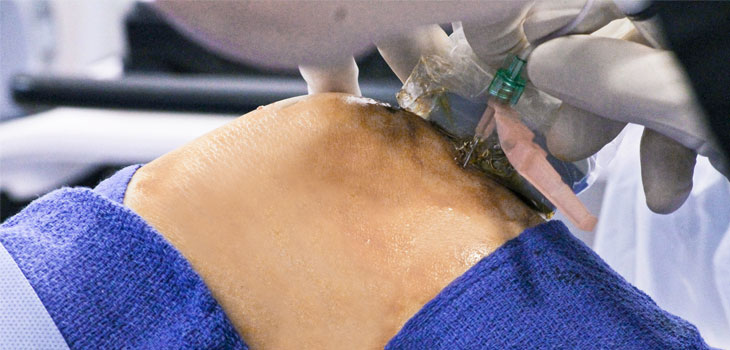
Patients with osteoarthritis in their knees or hips are often given shots containing corticosteroids to suppress pain and inflammation. Now two studies presented at the 2016 Annual Meeting of the American Academy of Orthopaedic Surgeons (AAOS) suggest these shots also suppress the body’s immune system. As the PR Newswire put it, “Patients with suppressed immune systems have higher risks of severe, post-operative infections that are difficult to control, and can result in additional surgery, prolonged antibiotic use, and even death.”
Corticosteroids Could Suppress Immune System
2 min read Premium comments
Secondary
In one of the studies, titled “Preoperative Hip Injections Increase the Rate of Periprosthetic Infection after Total Hip Arthroplasty, ” researchers reviewed data from 177, 762 patients in a Florida and California database from 2005 to 2012. The study found that patients who’d received injections within three months of a total hip replacement (THR) had a 40% increased risk for post-operative infection. The study is the first to provide strong evidence of increased risk of an infection when an injection is administered within 12 weeks before THR.
The study also found that corticosteroid injections performed more than three months pre-operatively had a low risk of infection—0.87% rate.
“This data allows patients and surgeons to have a candid discussion about the risk of infection after total hip arthroplasty if a hip injection has been given in the prior three months, ” said William Schairer, M.D., orthopaedic surgeon at the Hospital for Special Surgery and lead study author.
In a second study, titled “Do Injections Increase the Risk of Infection Following Total Knee Arthroplasty?” researchers identified 83, 684 patients who underwent total knee replacement (TKR) for the first time between 2007 and 2014.
Of the patients in this study, 29, 603 (35.4%) had had an injection at least one year prior to TKR and 54, 081 had not.
The study found that the rates of surgical site infection were significantly higher in patients who’d had an injection prior to their TKR than those who’d not had an injection prior to their surgery. The investigators also found that rates of infection requiring a return to the operating room were also higher in patients who’d received an injection prior to surgery.
Specifically, the rate of infection requiring a return to the operating room had an odds ratio of 1.8 for an injection within one month of surgery as compared to an odds ratio of 1.4 for an injection seven months prior to the TKR.
“We would recommend being selective when indicating patients for injection, and limiting use of injections to people unlikely to undergo knee replacement in the near future, ” said lead study author Nicholas Bedard, M.D., an orthopedic surgeon at the University of Iowa Hospitals and Clinics. “This information is important not only for orthopaedic surgeons, but for all health care providers who manage knee arthritis symptoms.”
Author
JA
React:
Discussion
This is a fascinating development. In my practice we've seen similar outcomes with the revised protocol. The key differentiator seems to be patient selection criteria. Has anyone else noticed the correlation with BMI thresholds?
Great point. I'd push back slightly on the conclusion, the sample size in the cited study is too small to draw population-level inferences. That said, the directional signal is compelling and worth a larger RCT.
We implemented a similar approach last year. Early results are promising but we're still gathering 12-month follow-up data. Happy to share our protocol if anyone is interested.
Join the conversation
Orthopedic professionals are discussing this. Sign in and upgrade to read every comment and add your voice.