
Bioventus introduced several new products at the recent meeting of the American Academy of Orthopaedic Surgeons (AAOS). These include GELSYN-3, a three-injection, hyaluronic acid (HA) based product for pain relief associated with osteoarthritis (OA) of the knee.
Bioventus’ New Products on Display
1 min read Premium comments
Secondary
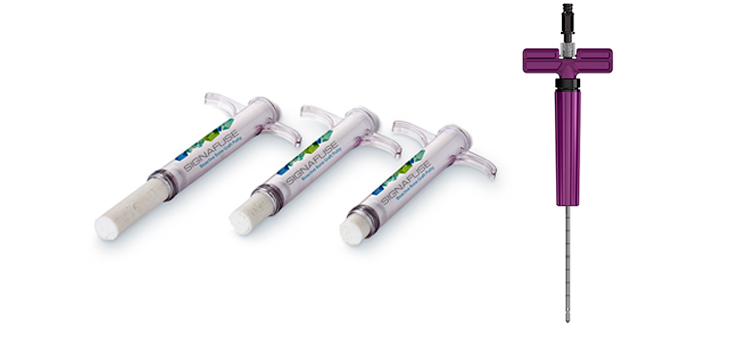
This is being followed up with the introduction of CellXtract, a novel cell and bone marrow extraction tool; and SIGNAFUSE Bioactive Bonegraft Putty, which is comprised of a bi-phasic mineral composite combined with a patented bioactive glass and resorbable polymer carrier providing surgeons with exceptional handling properties.
“Bioventus is very pleased to introduce a full portfolio of bone grafting solutions backed by clinical and technical data to benefit patients, surgeons, and hospitals this week at AAOS, ” said Tony Bihl, CEO, Bioventus, in the March 2, 2016 news release. “We are also excited to speak with attendees about GELSYN-3, our newest HA as well as the rest of our active healing therapies product portfolio. It’s our goal to provide customers with leading orthobiologic products that heal patients quickly and safely while helping them resume and enjoy active lives.”
Bihl told OTW, “As we build our portfolio of orthobiologics, we seek to develop, acquire, or distribute the best in class products/treatments. Each of our new products fit that description well. In GELSYN-3, we offer a new and differentiated hyaluronic acid for the treatment of osteoarthritis pain, used extensively in Europe for more than 10 years, from a Swiss pharmaceutical company with world class manufacturing facilities and process. SIGNAFUSE is our newest synthetic bone graft product with outstanding handling properties and an impressive clinical data record that came via the BioStructures acquisition made last November. CellXtract is licensed from Ranfac Corp. which developed this novel bone marrow aspirate needle. It maximizes cell counts while minimizing the extraction of peripheral blood and in working with Ranfac Bioventus was able to very quickly bring the product to market.”
Author
React:
Discussion
This is a fascinating development. In my practice we've seen similar outcomes with the revised protocol. The key differentiator seems to be patient selection criteria. Has anyone else noticed the correlation with BMI thresholds?
Great point. I'd push back slightly on the conclusion, the sample size in the cited study is too small to draw population-level inferences. That said, the directional signal is compelling and worth a larger RCT.
We implemented a similar approach last year. Early results are promising but we're still gathering 12-month follow-up data. Happy to share our protocol if anyone is interested.
Join the conversation
Orthopedic professionals are discussing this. Sign in and upgrade to read every comment and add your voice.