
A study from the Hospital for Special Surgery in New York City suggests that bariatric surgery prior to total knee replacement (TKR) may be a cost-effective option.
Bariatric Surgery Prior to TKA Cost Effective Option
1 min read Premium comments
Secondary
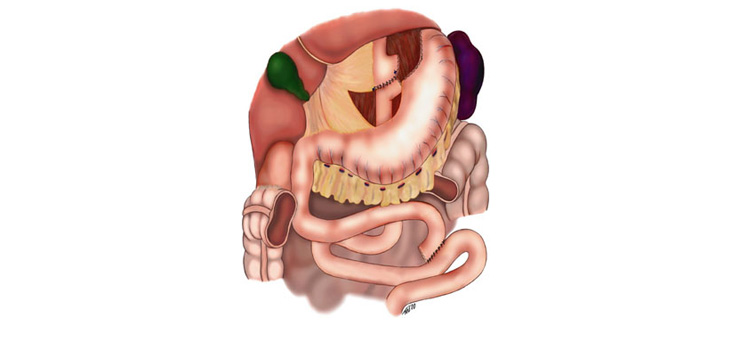
A research team led by Alexander McLawhorn, M.D., MBA, compared the cost-effectiveness of two treatment protocols for two groups of patients who were morbidly obese. All had a body mass index (BMI) of at least 35 and advanced knee osteoarthritis. One group underwent a TKR immediately, without losing weight. The second group underwent the TKR procedure two years after having bariatric surgery and losing weight.
A computer model predicted that the patients who had bariatric surgery two years prior to receiving their TKR were more likely to enjoy improved quality of life. Quality of life was measured in quality-adjusted life years (QALYs) and was compared to patients who had a TKR without prior weight loss surgery.
The study suggests that bariatric surgery prior to total knee replacement may be a cost-effective option. The cost necessary for this level of improvement was $13, 910 per QALY, which is below the amount healthcare payers, such as insurance companies and the government, are typically willing to pay, according to the press release.
“The computer model supports bariatric surgery prior to total knee replacement as a cost-effective option for improving outcomes in morbidly obese patients with end-stage knee osteoarthritis, ” said McMahon. But he still had some concerns about obese patients who are experiencing severe pain and are not able to wait for a year or more for their surgery. He recommends a team approach focused on nutrition, weight loss and wellness to treat severely obese individuals who suffer from knee arthritis. The study was published in The Journal of Bone & Joint Surgery.
Author
React:
Discussion
This is a fascinating development. In my practice we've seen similar outcomes with the revised protocol. The key differentiator seems to be patient selection criteria. Has anyone else noticed the correlation with BMI thresholds?
Great point. I'd push back slightly on the conclusion, the sample size in the cited study is too small to draw population-level inferences. That said, the directional signal is compelling and worth a larger RCT.
We implemented a similar approach last year. Early results are promising but we're still gathering 12-month follow-up data. Happy to share our protocol if anyone is interested.
Join the conversation
Orthopedic professionals are discussing this. Sign in and upgrade to read every comment and add your voice.