
As if there weren’t enough issues surrounding medications for the treatment of childhood attention-deficit hyperactivity disorder (ADHD), new research has found that kids taking such medication showed decreased bone density.
ADHD Meds Decrease Bone Density?!
2 min read Premium comments
Secondary
“This is an important step in understanding a medication class, that is used with increasing frequency, and its effect on children who are at a critical time for building their bones, ” said senior study author Jessica Rivera, M.D., an orthopedic surgeon with the U.S. Army Institute of Surgical Research, in the March 3, 2016 news release.
As indicated in the news release, “In this study, researchers identified 5, 315 pediatric patients in the CDC’s National Health and Nutrition Examination Survey (NHANES) and compared children who reported taking ADHD medications with survey participants not on these medications. The results indicate that children on ADHD medication had lower bone mineral density in the femur, femoral neck and lumbar spine. Approximately 25% of survey participants on ADHD medication met criteria for osteopenia, a condition characterized by lower than normal peak bone density, and this was significantly higher compared to participants not on medication.”
“Dr. Rivera added that a definite link has not been established between osteopenia in childhood and osteoporosis later in life, which increases the risk of brittle and porous bones, and ultimately, fracture risk. However, low-bone density in children theoretically could have long-term implications and lead to poor bone health in adulthood because childhood and adolescence is when growing bones accrue mass and strength.”
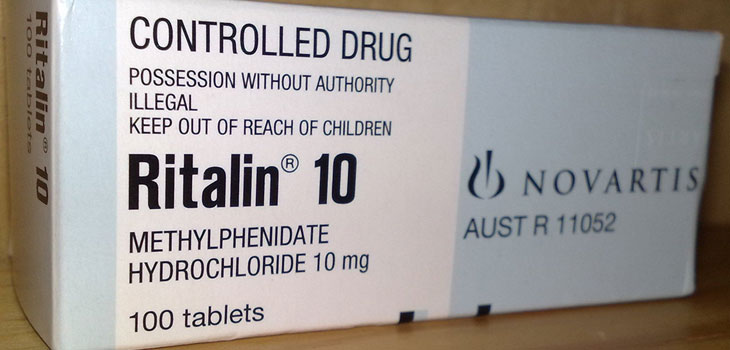
“Medications used by patients in the study were: methylphenidate (Ritalin), dexmethylphenidate (Focalin), dextroamphetamine (Dexedrine), atomoxetine (Strattera) and lisdexamfetamine (Vyvanse). These medications can cause gastrointestinal problems such as decreased appetite and stomach upset, which may result in poor nutrition and reduced calcium intake. The drugs also may diminish bone density because they alter the sympathetic nervous system, which plays an important role in bone remodeling, or regeneration.”
“Dr. Rivera said that because most skeletal growth occurs by ages 18-20, physicians should realize the potential threat that ADHD medications pose to maturing bones and consider nutritional counseling and other preventative measures.”
Dr. Rivera told OTW, “I have long had an interest in the effects that medications have on our bone health. Because of the mechanism of action of the class of medications used to treat ADHD, I wanted to ask the question of what effect these drugs have on bone. I was introduced to Jeffrey T. Howard, Ph.D., whose talents in working with the NHANES data helped make the study possible.”
“I think that these results will help open the door for parents/guardians and physicians to talk about optimizing nutrition. My orthopedic colleagues and I, while we do not treat ADHD ourselves, can take part in such discussions with patients and families.”
“Additional study is certainly needed in order to understand if the association we identified is actually a cause and effect. This would require a different study design than the one we conducted and calls for some prospective research. Additional research will absolutely be necessary before we really understand what the risk to bone health really is and before any formal recommendations for practice change can be made.”
React:
Discussion
This is a fascinating development. In my practice we've seen similar outcomes with the revised protocol. The key differentiator seems to be patient selection criteria. Has anyone else noticed the correlation with BMI thresholds?
Great point. I'd push back slightly on the conclusion, the sample size in the cited study is too small to draw population-level inferences. That said, the directional signal is compelling and worth a larger RCT.
We implemented a similar approach last year. Early results are promising but we're still gathering 12-month follow-up data. Happy to share our protocol if anyone is interested.
Join the conversation
Orthopedic professionals are discussing this. Sign in and upgrade to read every comment and add your voice.